


Is an enlarged spleen a precursor to liver cirrhosis?
Sep 13, 2022
Source: Cainiu Health

Dr. Jin Zhongkui
Introduction
Splenomegaly is also one of the early signs of liver cirrhosis. Patients with early-stage cirrhosis may present with an enlarged spleen. If splenomegaly is detected, a systematic evaluation at a liver disease clinic is necessary to confirm the presence of cirrhosis. There are many causes of splenomegaly, and cirrhosis is only one of them. Other causes include Salmonella infection and trauma, as well as schistosomiasis and chronic hepatitis. Additionally, hematological disorders and splenic tumors can also lead to splenomegaly.
Splenomegaly generally cannot be defined as cirrhosis. Some cases of splenomegaly are not caused by cirrhosis. As diseases progress, some patients with hepatitis often develop cirrhosis, secondary portal hypertension, splenomegaly, and hypersplenism—this is the most common clinical scenario, indicating a certain correlation between cirrhosis and splenomegaly. So, is an enlarged spleen a precursor to cirrhosis?
Is Splenomegaly a Precursor to Cirrhosis?
Splenomegaly is indeed one of the early signs of cirrhosis. Patients with early-stage cirrhosis may present with an enlarged spleen. If splenomegaly is detected, it is essential to visit a liver disease specialist for a comprehensive evaluation to determine whether cirrhosis is present. There are many causes of splenomegaly, and cirrhosis is only one of them. Other causes include Salmonella infection and typhoid fever, as well as schistosomiasis and chronic hepatitis. Additionally, hematological disorders and splenic tumors, along with acute and chronic hepatitis, can also lead to spleen enlargement. First, in some patients, splenomegaly is usually triggered by certain acute or infectious diseases. However, this type of spleen enlargement is typically temporary.
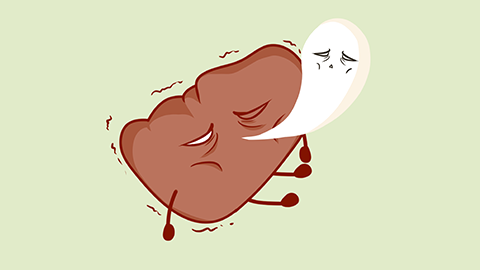
Once these infectious diseases resolve, patients with splenomegaly usually return to normal. For example, infectious mononucleosis, Salmonella infection, typhoid fever, spirochetal infections, and parasitic infections can all induce splenomegaly. Second, in other patients, splenomegaly often results from lingering effects of chronic infections. In such cases, even after the underlying chronic disease is cured, the abnormal enlargement of the spleen may remain difficult to reverse.
In daily life, maintain a regulated diet, avoid spicy and irritating foods, refrain from overeating, and prevent staying up late. We hope this answer has been helpful to you. Wishing you good health and a happy life.







