What is shoulder periarthritis?
Sep 13, 2022
Source: Cainiu Health

Dr. Liu Wenmin
Introduction
Periarthritis of the shoulder is a painful condition affecting the shoulder joint. The main symptoms include shoulder pain, swelling, sensitivity to cold, and restricted movement, which may worsen at night or after exposure to cold or fatigue. The affected shoulder cannot be extended backward or lifted properly, making daily activities such as undressing, combing hair, and washing the face difficult. In the early stages, periarthritis of the shoulder is primarily characterized by pain; in later stages, it is mainly marked by shoulder stiffness and limited range of motion.
Shoulder periarthritis is a common chronic condition in clinical practice, with individuals engaged in high-intensity labor and some middle-aged and elderly people being at higher risk. The main symptoms in early-stage patients include pain and limited shoulder joint function. If not treated promptly, the symptoms of pain and stiffness will progressively worsen as the disease advances, significantly affecting the patient's daily life and work. So, what exactly is shoulder periarthritis?
What Is Shoulder Periarthritis?
Shoulder periarthritis refers to a painful condition affecting the shoulder joint. Its primary symptoms include shoulder pain, swelling, sensitivity to cold, and restricted movement, which often intensify at night or after exposure to cold or fatigue. Patients may find it difficult to extend their arms backward or lift them, making routine activities such as dressing, combing hair, and washing the face challenging. In the early stages, shoulder periarthritis is mainly characterized by pain; in later stages, it is primarily marked by joint stiffness and severely limited mobility. The causes of shoulder periarthritis are often linked to prolonged strain. Excessive workloads or sustained poor posture—such as sitting for long periods at a desk, staring at computers, or using mobile phones—can contribute to the condition. Cold exposure may lead to poor local blood circulation and aseptic inflammation. Additionally, upper limb injuries, or excessive immobilization of the shoulder following trauma, can result in secondary atrophy and adhesions in the tissues surrounding the shoulder.
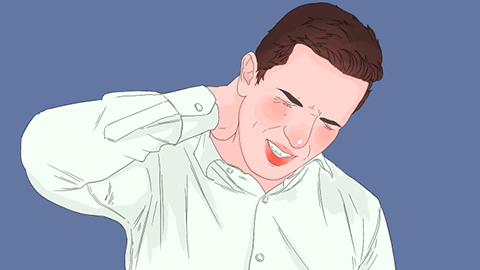
Clinically, most patients with shoulder periarthritis are middle-aged or elderly individuals over 40 years old. This suggests that the fundamental factor behind the disease is a reduced capacity to withstand various external forces, which is associated with aging and degeneration of soft tissues. In daily life, persistent overexertion, lack of adequate rest, chronic fatigue, combined with poor posture, are major contributors to the development of shoulder periarthritis due to cumulative chronic injury. Some patients develop symptoms such as secondary atrophy and adhesions after prolonged immobilization of the shoulder during treatment for upper limb injuries. Acute contusions or stretching injuries to the shoulder, if not treated promptly or appropriately, can also lead to shoulder periarthritis.

In terms of diet, it is important to maintain balanced nutrition and avoid picky eating. It is recommended to consume more fresh fruits, milk, green vegetables, and other foods rich in vitamin C, while avoiding greasy foods. We hope this information is helpful to you. Wishing you good health and a happy life.