


What are the symptoms of myocarditis?
Sep 13, 2022
Source: Cainiu Health

Dr. Li Man
Introduction
The main symptoms of myocarditis include fever, general fatigue, palpitations, chest tightness, shortness of breath, chest pain, dyspnea, edema, and even syncope and sudden death. Clinically, most patients with myocarditis are characterized by arrhythmias, while a minority may develop syncope or Adams-Stokes syndrome. More severe cases involve fulminant myocarditis, which is rare in clinical practice.
Myocarditis comes in different types. Based on disease progression, it can be classified as chronic or acute myocarditis; based on the cause, it can be categorized as viral or bacterial myocarditis. So, what are the symptoms of myocarditis?
Symptoms of Myocarditis
The main symptoms of myocarditis include fever, general fatigue, palpitations, chest tightness, shortness of breath, chest pain, difficulty breathing, edema, and even fainting or sudden death. Clinically, most patients with myocarditis present with arrhythmias, while a minority may develop syncope or Adams-Stokes syndrome. More severe cases involve fulminant myocarditis, which is rare in clinical practice. This form may present with nausea, vomiting, high fever, and seizures, as well as life-threatening symptoms such as cardiac arrest and malignant arrhythmias.
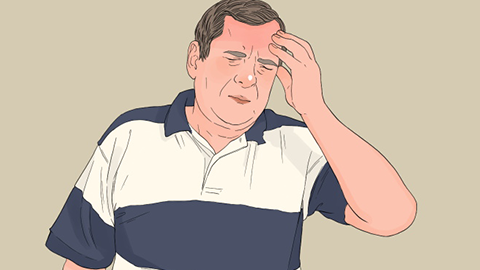
Myocarditis is caused by inflammatory changes in the heart muscle triggered by viral or bacterial infections, or other non-infectious factors. The most common cause of myocarditis is viral infection. The direct toxic effects of the virus combined with the body's immune response can directly damage the myocardium, leading to structural and functional impairments. This weakens the heart's contractile function, reduces ejection volume, and disrupts microvascular circulation in the heart, resulting in myocardial ischemia. Other non-infectious factors include drug toxicity, connective tissue diseases, and vasculitis, all of which may also lead to inflammatory lesions in the myocardium and trigger myocarditis.
In daily life, one should pay attention to personal health, maintain a healthy diet, and improve physical fitness. We hope this answer has been helpful to you. Wishing you good health and a happy life.








