


What causes premature atrial contractions?
Sep 13, 2022
Source: Cainiu Health

Dr. Li Man
Introduction
Atrial premature beats can occur in any organic heart disease, and are commonly seen in coronary heart disease, rheumatic heart disease, pulmonary heart disease (especially multifocal atrial premature beats), myocarditis, hypertensive heart disease, heart failure, acute myocardial infarction, etc. They may also be induced by drugs and electrolyte disturbances, such as digitalis, procainamide, epinephrine, antimony, and various anesthetics.
Atrial premature beats are a relatively common symptom in heart disease. Patients often experience palpitations and a feeling of rapid heartbeat. What causes atrial premature beats?
What Causes Atrial Premature Beats?
Atrial premature beats can occur in any organic heart disease and are commonly seen in coronary heart disease, rheumatic heart disease, pulmonary heart disease (especially multifocal atrial premature beats), myocarditis, hypertensive heart disease, heart failure, and acute myocardial infarction. Medications and electrolyte imbalances may also trigger atrial premature beats, such as digitalis, procainamide, adrenaline, antimony, and various anesthetics. Atrial premature beats may also occur when acid-base balance is disrupted or during electrolyte disturbances, such as hypokalemia, hypocalcemia, hypomagnesemia, or acid-base poisoning.

Although atrial premature beats may occur without clear triggers, they are often associated with emotional stress, sudden increases in blood pressure, excessive alcohol consumption, smoking, drinking strong tea or coffee, constipation, abdominal distension, indigestion, insomnia, and sudden changes in body position. Premature beats can occur in healthy individuals of all age groups, though they rarely occur in children and are more common in middle-aged and elderly people. They may be related to autonomic nervous system dysfunction, or overactivity of the sympathetic or vagus nerves, which can lead to premature beats.
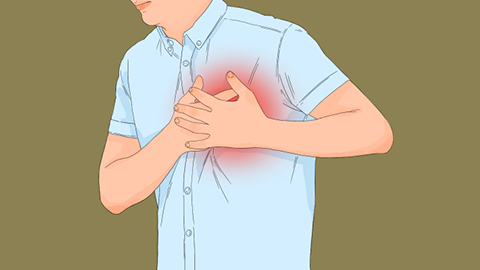
There are many potential causes of atrial premature beats. If symptoms persist without improvement, it's important to consult a doctor early to control disease progression and reduce the risk of structural heart damage. We hope this information has been helpful. Wishing you good health and a happy life!




