


How small must the uterus be to be considered an infantile uterus?
Sep 13, 2022
Source: Cainiu Health

Dr. Lv Aiming
Introduction
After diagnosis of infantile uterus, drug therapy is generally the primary approach. Patients are prescribed progesterone and estradiol valerate tablets, and an artificial menstrual cycle can be established through sequential estrogen therapy. If treatment is effective, menstruation usually resumes normally, with minimal impact on pregnancy. However, untreated or severe cases may disrupt menstruation and even lead to infertility. For severe infantile uterus unresponsive to medication, surgical treatment may be considered following appropriate evaluation.
An abnormally small uterus may indicate infantile uterus, which can have various adverse effects on women. But how small does the uterus need to be to be considered infantile?
How Small Is Considered an Infantile Uterus?
An infantile uterus is defined as having an anteroposterior diameter of less than 2 cm and a uterine cavity volume of less than 5 mL, with a long cervix. This condition is a hereditary, non-contagious congenital uterine anomaly caused by poor embryonic development of the uterus. It mainly manifests as scanty menstruation, delayed menarche, or primary amenorrhea, typically affecting menstrual cycles and fertility. A preliminary diagnosis can be made through pelvic ultrasound examination of the uterus and adnexa. For adolescent girls who have not experienced menarche by age 16, timely ultrasound evaluation of the uterus and adnexa is recommended to assess uterine development.
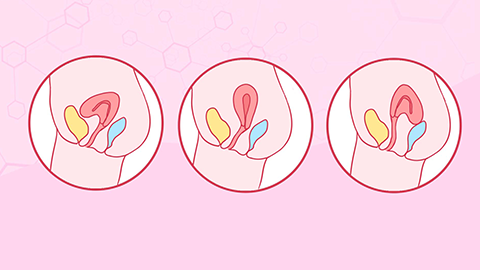
Once diagnosed with infantile uterus, treatment is generally medication-based. Doctors may prescribe progesterone and estradiol valerate tablets. Sequential estrogen therapy can help establish an artificial menstrual cycle, which improves the condition of infantile uterus. If treatment is effective, menstruation usually resumes normally, with minimal impact on pregnancy. However, untreated cases may disrupt menstruation and even lead to infertility. In severe cases where drug therapy proves ineffective, surgical intervention may be considered after proper evaluation.
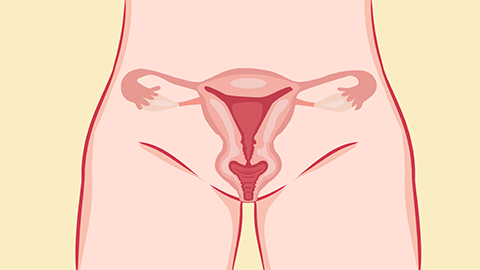
A normal uterus has an inverted pear shape—flattened anteriorly and slightly convex posteriorly—with a wider upper part tapering down to a narrower lower segment, divided into two unequal portions. The upper portion is broad and triangular in shape, known as the uterine body. Its upper arched prominence is called the fundus, and on either side of the fundus are the uterine horns, which connect to the fallopian tubes. We hope this information helps you. Wishing you good health and happiness!





