What are the symptoms of dysfunctional uterine bleeding?
Sep 13, 2022
Source: Cainiu Health

Dr. Lv Aiming
Introduction
Symptoms of dysfunctional uterine bleeding vary depending on the underlying cause. Anovulatory dysfunctional uterine bleeding is primarily characterized by irregular uterine bleeding, featuring disordered menstrual cycles, variable duration of menstruation, and fluctuating blood loss—sometimes light, sometimes heavy. Patients with prolonged or heavy bleeding often develop secondary anemia, and in severe cases may even experience hemorrhagic shock. Ovulatory dysfunctional uterine bleeding manifests in two main forms: 1) excessive menstrual bleeding, and 2) intermenstrual bleeding.
Dysfunctional uterine bleeding is a common pathological condition. If not treated promptly, it may affect a woman's normal life and work. What are the symptoms of dysfunctional uterine bleeding?
What Are the Symptoms of Dysfunctional Uterine Bleeding?
The symptoms of dysfunctional uterine bleeding vary depending on the underlying cause. Anovulatory dysfunctional bleeding mainly presents as irregular uterine bleeding, characterized by disordered menstrual cycles, variable duration of menstruation, and fluctuating blood loss—sometimes light, sometimes heavy. Patients with prolonged or heavy bleeding often develop secondary anemia, and in severe cases, even hemorrhagic shock. Ovulatory dysfunctional bleeding includes two types: 1) Menorrhagia, which presents as regular menstrual cycles and normal duration of periods but significantly increased menstrual flow; 2) Irregular menstrual bleeding, which can be further classified into luteal phase defect and irregular endometrial shedding.

Dysfunctional uterine bleeding refers to abnormal uterine bleeding caused by female endocrine disorders, and can be categorized into anovulatory and ovulatory types, with anovulatory bleeding being more common. It frequently occurs in adolescent girls and women in the perimenopausal transition period, though it can also occur during the reproductive years. The main causes include emotional stress, malnutrition, climate changes, excessive fatigue, and drug use, all of which can disrupt hormonal balance and lead to menstrual irregularities. In perimenopausal women, it is primarily due to declining ovarian function.
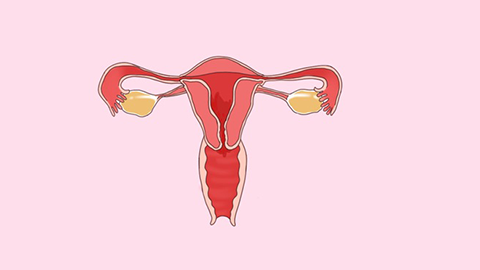
During treatment, it is important to maintain a positive mindset and pay attention to personal hygiene. I hope this response has been helpful to you. Wishing you good health and happiness!