


Can cactus treat tenosynovitis?
Sep 13, 2022
Source: Cainiu Health

Dr. Lin Yunfei
Introduction
The effect of cactus in treating tenosynovitis is not significant. Tenosynovitis mainly results from patients engaging in certain activities for prolonged periods, such as using mobile phones or computers, which can lead to edema of the tendon sheath, causing pain, swelling, and restricted movement. Treatments for tenosynovitis include rest, heat therapy, physical therapy, local steroid injections, and surgical intervention.
In daily life, if people do not adequately protect their joints, they are prone to various joint disorders, such as tenosynovitis. Tenosynovitis can negatively affect one's daily activities, so patients should seek timely treatment. Can cactus treat tenosynovitis?
Can Cactus Treat Tenosynovitis?
Cactus may be used to treat tenosynovitis, although its effectiveness is generally not significant. Tenosynovitis primarily occurs when individuals engage in certain repetitive activities over a long period, such as using mobile phones or computers, which can lead to swelling of the tendon sheath, resulting in pain, swelling, and restricted movement. Treatment options for tenosynovitis include adequate rest, heat therapy, local corticosteroid injections, and surgical intervention.
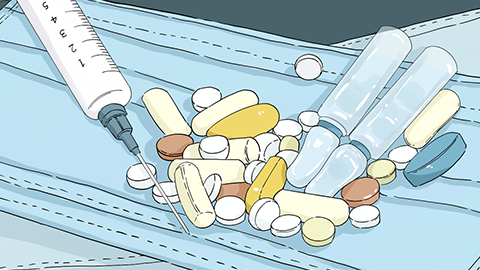
For tenosynovitis, it is important to ensure appropriate and active rest and avoid excessive finger movements. Additionally, traditional Chinese medicines that promote blood circulation can be used for warm compresses, and oral anti-inflammatory and analgesic medications such as loxoprofen sodium may be taken. Mashed cactus can also be applied locally as a poultice. If symptoms improve, continued attention to rest is recommended. If there is no significant improvement, local steroid injections may be considered. A combination of lidocaine hydrochloride injection and triamcinolone acetonide injection, administered two to three times, can effectively relieve symptoms.

When symptoms of tenosynovitis appear, patients should seek medical attention promptly. We hope this information is helpful. Wishing you good health and a happy life.








