


Why does eating rice noodles cause diarrhea?
Oct 11, 2022
Source: Cainiu Health

Dr. Shen Yonghua
Introduction
If rice noodles are prepared with excessive oil or contain too much meat and oily ingredients, they may increase the burden on the gastrointestinal tract, leading to indigestion and diarrhea. Greasy rice noodles may also irritate the gastrointestinal mucosa, triggering an inflammatory response and resulting in diarrhea. Avoid choosing overly oily or spicy rice noodles.
Diarrhea refers to loose or watery stools. Experiencing diarrhea after eating rice noodles may be related to factors such as excessive oiliness, spicy food, spoiled food, irritable bowel syndrome (IBS), gastroenteritis, and others. It is recommended that patients promptly visit a hospital and follow medical advice for treatment. The analysis is as follows:
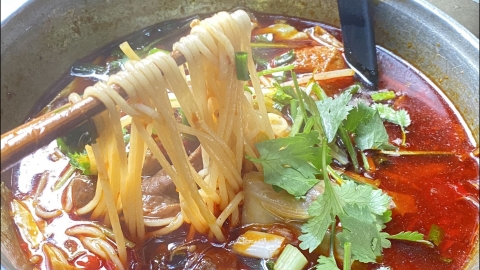
1. Excessively oily rice noodles: If large amounts of oil are used during preparation or if high-fat ingredients such as fatty meats are added, the gastrointestinal burden may increase, leading to indigestion and diarrhea. Oily rice noodles may also irritate the gastrointestinal mucosa, triggering an inflammatory response and resulting in diarrhea. Avoid choosing overly oily or spicy rice noodles.
2. Spicy diet: Adding excessive chili peppers, Sichuan peppercorns, or other spicy ingredients to rice noodles may irritate the gastrointestinal lining, accelerate intestinal motility, and lead to diarrhea. Spicy foods may also cause gastrointestinal inflammation, further worsening diarrhea symptoms. It is advisable to reduce intake of spicy foods and drink adequate water to help alleviate discomfort.
3. Spoiled food: If rice noodles become contaminated during preparation, storage, or transportation, bacteria, viruses, or parasites may grow. These microorganisms can irritate the intestines after consumption and cause diarrhea. Spoiled rice noodles may also contain toxic substances such as aflatoxins, which can damage the gastrointestinal tract and lead to diarrhea. Choose restaurants or food delivery platforms with good hygiene practices and fresh ingredients.
4. Irritable bowel syndrome (IBS): IBS is a common functional gastrointestinal disorder characterized by dysregulation of intestinal motility and secretion, causing symptoms such as abdominal discomfort, pain, diarrhea, or constipation. Eating rice noodles may trigger intestinal reactions in individuals with IBS, leading to diarrhea. Follow a doctor’s instructions for treatment using medications such as smectite powder, atropine sulfate injection, or loperamide hydrochloride capsules.
5. Gastroenteritis: Gastroenteritis is an inflammatory condition of the gastrointestinal mucosa, usually caused by bacterial, viral, or parasitic infections. Consuming unhygienic or contaminated rice noodles may lead to gastroenteritis, resulting in symptoms such as diarrhea, abdominal pain, nausea, and vomiting. Patients should take medications under medical guidance—such as compound berberine tablets, Bifidobacterium quadruple viable tablets, or racecadotril granules—to aid recovery.
Before eating rice noodles, pay attention to their smell and ensure the food is fresh.





