


What causes the face to become longer and longer?
Oct 13, 2022
Source: Cainiu Health

Dr. Liu Wenmin
Introduction
A progressively longer face may be caused by genetic factors, aging, poor posture, acromegaly, or Marfan syndrome, and can be treated through dietary adjustments, medication, surgery, and other methods. Under the influence of hereditary factors, the traits of genes associated with a long face gradually become apparent during growth and development, leading to a transformation from a round face at birth to an increasingly elongated facial shape.
Increasing facial length may be caused by genetic factors, aging, poor posture, acromegaly, or Marfan syndrome, and can be treated through dietary adjustments, medication, surgery, and other methods.
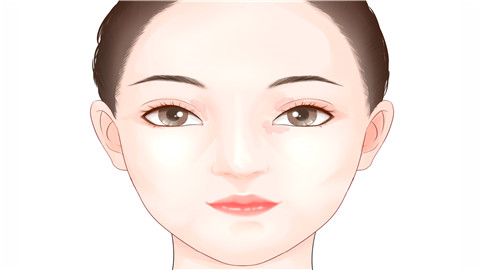
1. Genetic Factors
Under the influence of hereditary traits, the long-face gene may gradually manifest during growth and development, transforming an initially round face at birth into a longer one over time. This is a normal physiological phenomenon that does not affect overall health and typically requires no medical intervention.
2. Aging
With advancing age, skeletal changes occur due to various factors such as genetics, living environment, and lifestyle habits. These developmental changes may lead to more pronounced vertical growth of the facial bones, resulting in a progressively longer face. This is a normal part of maturation. As long as facial elongation remains within reasonable limits, it does not impact physical health, so treatment is unnecessary—only regular observation is needed.
3. Poor Posture
Long-term不良 postures such as frequently looking down at mobile phones or working hunched over a desk can affect the cervical spine and facial muscles, potentially altering jawbone positioning and making the face appear longer. It's important to maintain proper posture, keeping the eyes level with the screen. Using ergonomically designed furniture can help support correct sitting alignment. Additionally, performing neck and facial stretching exercises—such as tilting the head backward to stretch the anterior neck muscles—can be beneficial.
4. Acromegaly
This condition results from excessive secretion of growth hormone by the anterior pituitary gland. Overproduction of growth hormone leads to abnormal growth of bones and soft tissues. In the face, this manifests as overgrowth of the mandible, prominent cheekbones, protruding brow ridges, thickened lips, and gradual widening and lengthening of the entire face. Patients may follow medical advice to use medications such as octreotide injection, lanreotide acetate sustained-release injection, or bromocriptine mesylate tablets for symptom management.
5. Marfan Syndrome
This is a hereditary connective tissue disorder primarily affecting the skeletal system, eyes, and cardiovascular system. Facially, individuals may present with an elongated face shape, along with characteristic long fingers and toes. Cosmetic surgical procedures may be considered under medical guidance to improve appearance. However, prior to any plastic surgery, a comprehensive evaluation of the patient’s overall health is essential. Regular medical check-ups are also necessary to prevent and promptly detect potential complications.
In daily life, it is recommended to maintain a balanced diet, consistent sleep schedule, moderate physical activity, and good facial hygiene. Gentle facial massage may also contribute to overall well-being.




