


What causes excessive sweating and dry mouth, and what should be done about it?
Oct 18, 2022
Source: Cainiu Health

Dr. Yang Ziqi
Introduction
Excessive sweating and dry mouth may be caused by high-temperature environments, dietary factors, intense exercise, hyperthyroidism, diabetes, etc., and can be improved according to specific conditions. It is recommended to seek timely medical attention at a hospital and receive treatment under the guidance of a doctor. It is advisable to avoid prolonged exposure to high-temperature environments and pay attention to heatstroke prevention and cooling measures.
Excessive sweating and dry mouth may be caused by high-temperature environments, dietary factors, intense physical activity, hyperthyroidism, diabetes, and other conditions. Improvements can be made according to the specific cause. It is recommended to seek timely medical evaluation and treatment under the guidance of a physician.
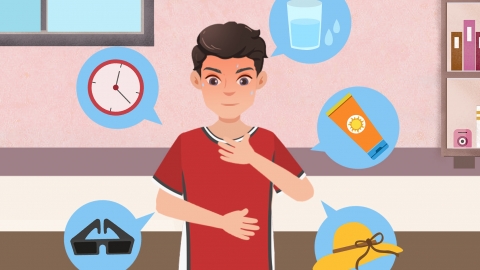
1. High-temperature environment: Prolonged exposure to high temperatures causes the body to sweat excessively to dissipate heat, leading to increased fluid loss and resulting in dry mouth. It is advisable to avoid prolonged exposure to hot environments and take proper heatstroke prevention measures, such as using umbrellas, fans, or air conditioning, and replenishing fluids promptly.
2. Dietary factors: Consuming excessive spicy or salty foods can irritate the mucous membranes of the mouth and gastrointestinal tract, causing dry mouth and potentially increasing sweating. It is recommended to adjust the diet by reducing intake of spicy and salty foods, eating more fresh vegetables and fruits, maintaining a light diet, and increasing consumption of water-rich foods such as watermelon, cucumber, and tomatoes.
3. Intense physical activity: During vigorous exercise, metabolic rate increases and more body heat is generated. To regulate body temperature, sweat glands secrete large amounts of sweat, leading to excessive sweating and subsequent fluid loss that causes dry mouth. It is important to stay hydrated before, during, and after exercise—drink water适量 before exercising, consume 150–200 mL of water every 15–20 minutes during exercise, and rehydrate appropriately afterward based on sweat loss.
4. Hyperthyroidism: This condition is typically caused by excessive secretion of thyroid hormones, which accelerates metabolism and stimulates the sympathetic nervous system, leading to symptoms such as excessive sweating and dry mouth. Other symptoms may include palpitations, hand tremors, and increased appetite. Under medical supervision, medications such as methimazole tablets, propylthiouracil tablets, or Xiao Jin pills may be prescribed to relieve symptoms.
5. Diabetes: When blood glucose levels are elevated in diabetic patients, osmotic diuresis occurs, resulting in significant fluid loss and causing dry mouth. The body may also sweat more in an attempt to regulate temperature. Patients should follow their doctor’s instructions to use medications such as insulin glargine injection, insulin aspart injection, or acarbose capsules to manage symptoms.
It is recommended to include nutrient-rich foods in daily diet, such as fresh vegetables, fruits, milk, and eggs, and to avoid spicy and irritating foods.




