


Eating persimmons can cause blackish-red stools—what's the reason, and what should be done?
Oct 19, 2022
Source: Cainiu Health

Dr. Shen Yonghua
Introduction
Eating persimmons may cause blackish-red stools, which could be due to factors such as food pigments, reaction between persimmons and gastric acid, indigestion, duodenal ulcer, or gastric polyps. It is recommended to seek treatment through general management, medication, or surgical intervention. Please go to the hospital to determine the exact cause and follow medical advice accordingly. During treatment, it is advisable to maintain a regular sleep schedule.
Eating persimmons may cause blackish-red stool due to factors such as food pigments, reactions between persimmons and stomach acid, indigestion, duodenal ulcers, or gastric polyps. It is recommended to manage the condition through general treatments, medications, or surgical interventions. It's advised to visit a hospital to determine the exact cause and follow medical advice accordingly. The analysis is as follows:
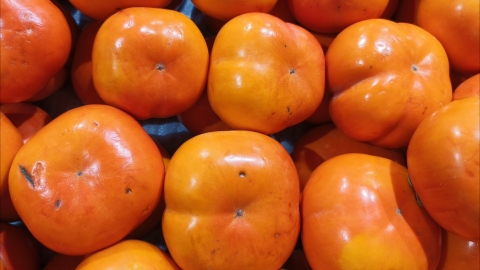
1. Food Pigment Influence
Blackish-red stool after eating persimmons may result from natural pigments in the fruit. This is a normal physiological phenomenon that typically does not last long and requires no special treatment. Stool color usually returns to normal once the digestive tract clears the residue.
2. Reaction Between Persimmons and Stomach Acid
Persimmons contain high levels of tannic acid, which may combine with gastric acid to form indigestible substances, thereby altering stool color. This is also considered a normal physiological occurrence. However, intake should be monitored to avoid excessive consumption, which could irritate the gastrointestinal tract.
3. Indigestion
Consuming large amounts of persimmons or having weak gastrointestinal function may lead to incomplete digestion. Components of persimmons may react with other substances in the intestines or undergo changes due to intestinal bacteria, resulting in altered stool color. This is often accompanied by discomfort such as bloating and abdominal pain.
4. Duodenal Ulcer
Duodenal ulcers are typically caused by *Helicobacter pylori* infection, leading to damage in the mucosal and muscular layers of the duodenum. This condition may present with blackish-red stool, along with symptoms like abdominal pain, diarrhea, and nausea. Patients should take medications such as omeprazole enteric-coated capsules, lansoprazole enteric-coated tablets, or colloidal bismuth pectin capsules under medical supervision.
5. Gastric Polyps
Gastric polyps may be associated with bacterial infections, proton pump inhibitors, or bile reflux. When polypoid lesions develop on the gastric mucosa, they may lead to blackish-red stool, often accompanied by symptoms such as pain, nausea, and reduced appetite. It is recommended that patients seek timely medical care and consider minimally invasive surgery to remove the polyps and relieve symptoms.
During treatment, it is advisable to maintain a regular sleep schedule and avoid staying up late or overexertion. Maintaining a positive mental state and avoiding excessive anxiety or stress is also important.






