


Will hair loss caused by high mental stress recover?
Oct 21, 2022
Source: Cainiu Health

Dr. Liu Wenmin
Introduction
In general, hair loss caused by high mental stress may be reversible if the condition is mild and appropriate treatment measures and lifestyle adjustments are promptly implemented. However, if hair loss is severe or timely intervention is not taken, recovery may be difficult. Patients are advised to seek medical attention promptly and follow medical guidance for treatment. It is also important to develop healthy lifestyle habits in daily life.
Generally, hair loss caused by mental stress may be reversible if the condition is mild and timely treatment measures and lifestyle adjustments are taken. However, if hair loss is severe or appropriate interventions are delayed, recovery may be difficult. Patients are advised to seek medical attention promptly and follow medical guidance for treatment. The analysis is as follows:
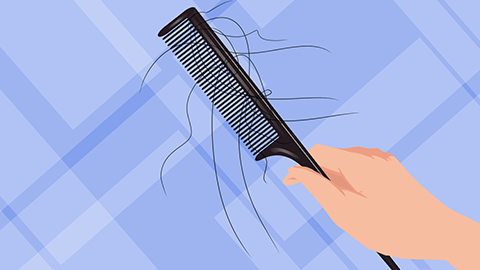
When mental stress leads to mild hair loss, hair follicles may not have suffered significant damage. In such cases, hair loss may gradually improve through stress reduction, ensuring adequate sleep and rest, adjusting dietary habits, and gently massaging the scalp. As overall health improves and mental stress decreases, blood circulation to the hair follicles may increase, helping to alleviate hair loss symptoms.
If a person remains under prolonged periods of high mental stress without proper emotional regulation or improvement in lifestyle, stress-induced hair loss may progress into seborrheic alopecia or other types of hair loss. In these cases, the hair loss tends to be more severe, harder to treat, and prone to recurrence, making full recovery unlikely. Chronic stress may cause serious damage to hair follicles, such as follicular atrophy. Under such circumstances, even with appropriate treatment, complete restoration of hair may not be possible.
In daily life, it's important to develop healthy habits, avoid long-term smoking, and engage in moderate physical exercise, such as jogging or hiking, which benefits overall health.






