


How is pelvic inflammatory disease treated?
Dec 29, 2022
Source: Cainiu Health
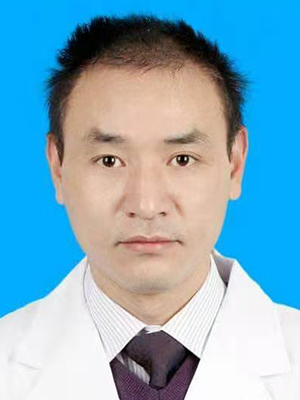
Dr. Mei Quan
Introduction
Acute pelvic inflammatory disease requires antibiotic treatment. If a pelvic abscess does not respond to antibiotics, surgical intervention may be considered. Chronic pelvic inflammatory disease requires physical exercise to enhance resistance, along with physical therapy. Since damp-heat is the main pathological factor in chronic pelvic inflammatory disease, traditional Chinese medicine that clears heat and eliminates dampness can be taken orally. Antibiotics are generally not used for chronic pelvic inflammatory disease.
In daily life, due to various factors, many women develop pelvic inflammatory disease (PID). PID not only causes significant harm to the body and reduces physical resistance, but also severely affects daily life and work. How is pelvic inflammatory disease treated?
How is pelvic inflammatory disease treated?
Acute pelvic inflammatory disease requires antibiotic treatment. If a pelvic abscess does not respond to antibiotics, surgical intervention may be necessary. For chronic pelvic inflammatory disease, physical exercise is recommended to enhance immunity, along with physical therapy. Since chronic PID is often associated with damp-heat, oral traditional Chinese medicine that clears heat and eliminates dampness can be taken. Antibiotics are generally not used for chronic pelvic inflammatory disease, but if there is hydrosalpinx or cysts, surgery may be considered.
There are many causes of pelvic inflammatory disease, primarily infection by pathogenic organisms. Conditions such as vaginitis and cervicitis may spread upward and lead to pelvic infection. After induced abortion, inadequate personal care can also trigger pelvic inflammatory disease. Postpartum weakness in physical condition may allow bacterial growth, leading to puerperal infection. Incomplete or inadequate treatment of infections may also result in pelvic inflammatory disease.
During treatment for pelvic inflammatory disease, proper hygiene and care of the external genital area should be maintained. Underwear should be changed frequently, tight-fitting pants should be avoided, and loose, breathable cotton clothing is recommended. Sexual intercourse should be avoided to prevent worsening of symptoms. We hope this information is helpful to you. Wishing you good health and happiness.




