


Symptoms and manifestations of breast milk jaundice in newborns
Dec 29, 2022
Source: Cainiu Health

Dr. Li Yanmei
Introduction
Breast milk jaundice occurs in young infants who are primarily or exclusively breastfed after birth. Hyperbilirubinemia develops without any other identifiable cause. The newborn is generally in good condition, feeds well, and shows normal growth and development, with no evidence of jaundice due to other underlying conditions. In such cases, it is typically diagnosed as breast milk jaundice.
All newborns may develop jaundice, but in some cases it can be more severe and require prompt treatment. Some people may not fully understand the symptoms and manifestations of jaundice. What are the symptoms and signs of breastfeeding-related jaundice in newborns?
Symptoms and Signs of Breastfeeding-Related Jaundice in Newborns
Breastfeeding-related jaundice occurs in infants who are primarily or exclusively breastfed after birth. It is characterized by elevated bilirubin levels without any other identifiable cause. Typically, the newborn appears healthy, feeds well, and shows normal growth and development, with no evidence of jaundice due to other underlying conditions. In such cases, the diagnosis is considered to be breastfeeding-related jaundice. This type of jaundice is classified into two forms: early-onset breastfeeding jaundice and late-onset breastfeeding jaundice. Early-onset breastfeeding jaundice is similar to physiological jaundice.
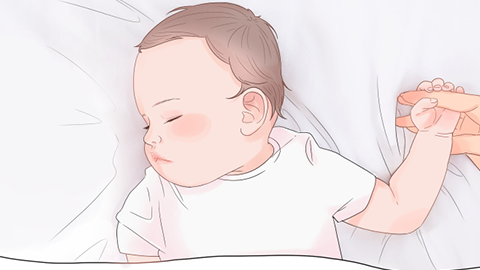
Early-onset jaundice is often associated with suboptimal breastfeeding, such as delayed initiation of breastfeeding or insufficient milk intake. Late-onset jaundice, which usually appears 1–2 weeks after birth and may persist for up to 8–12 weeks, is thought to be related to increased bilirubin metabolism and enhanced enterohepatic circulation in newborns. If the jaundice is mild, discontinuation of breastfeeding is not recommended. Mothers can continue breastfeeding. Additionally, infants can be given oral probiotics such as "Mami Ai" (a probiotic preparation) to reduce enterohepatic circulation and promote bilirubin metabolism.

Exposing the baby to sunlight regularly can help reduce jaundice. Giving the infant glucose water and warm water may also help alleviate symptoms. We hope this information is helpful to you. Wishing you good health and happiness.







