


Side effects of radiotherapy for lung cancer
Dec 29, 2022
Source: Cainiu Health

Dr. Jin Zhongkui
Introduction
As the tumor progresses, coughing may worsen, and patients might even experience blood-tinged sputum, with severe cases presenting massive hemoptysis. If the tumor invades the chest wall or metastasizes to the ribs, it can cause chest pain. Tumor compression of the major airways can also lead to coughing, and in some patients, may result in chest tightness and shortness of breath. I hope this answer is helpful to you. Wishing you good health and happiness!
Cancer is not uncommon in today's society, and there is a risk of cancer developing in various organs throughout the body. Understanding this disease is essential to achieving effective treatment outcomes. What are the side effects of radiation therapy for lung cancer?
Side Effects of Radiation Therapy for Lung Cancer
Common side effects of radiation therapy for lung cancer include:
Radiation-induced esophagitis: Since lung cancer is primarily located in the chest, radiation side effects often involve thoracic organs. Patients may experience swallowing difficulties, acid reflux, or heartburn.
Radiation-induced bronchitis: Radiation targeting a tumor near the lung hilum can cause congestion and swelling of the surrounding tissues, leading to significant shortness of breath and coughing.
Radiation pneumonitis: This condition is associated with high radiation doses or large tumor exposure areas. Some patients may be asymptomatic, although CT scans show radiation-related changes. However, others may develop noticeable symptoms such as fever, cough, wheezing, and shortness of breath after physical activity, requiring prompt medical treatment to relieve symptoms.
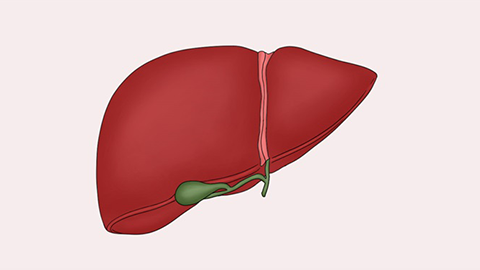
Symptoms of lung cancer may vary as the disease progresses through early, middle, and late stages. In the early stage, localized symptoms such as coughing may appear. These are typically dry coughs that do not respond to common antitussive medications or antibiotics.
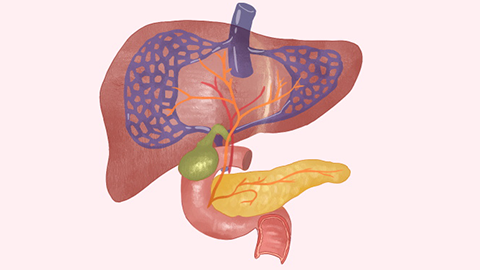
As the tumor grows, the cough worsens, and patients may begin coughing up blood-tinged sputum or, in severe cases, experience massive hemoptysis. If the tumor invades the chest wall or metastasizes to the ribs, it can cause chest pain. Tumor compression of major airways can also lead to coughing, chest tightness, and shortness of breath in some patients. We hope this information has been helpful. Wishing you good health and happiness!




