


Which internal organs can be damaged by smoking?

Smoking is extremely harmful to the human body and generally causes damage to the lungs, heart, liver, kidneys, and stomach. The specific effects are as follows:
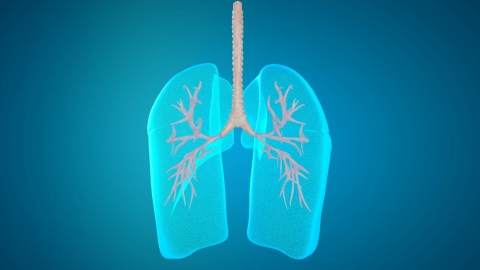
1. Lung damage: Harmful substances in tobacco smoke directly irritate the respiratory mucosa. Long-term exposure can lead to chronic bronchitis, emphysema, and even lung cancer. Smoke also reduces pulmonary ventilation function, lowering breathing efficiency and causing symptoms such as coughing and shortness of breath.
2. Heart damage: Toxic substances damage the vascular endothelium, accelerate atherosclerosis, increase blood viscosity, and trigger conditions such as hypertension and coronary heart disease. Smoking also increases the workload on the heart, potentially leading to myocardial ischemia, arrhythmias, and, in severe cases, myocardial infarction.
3. Liver damage: Smoking impairs liver metabolism and reduces the liver’s ability to detoxify harmful substances, resulting in toxin accumulation in the body. Long-term smoking may worsen liver inflammation and increase the risk of fatty liver disease and cirrhosis.
4. Kidney damage: Substances in tobacco such as nicotine constrict renal blood vessels, reduce blood flow to the kidneys, and impair kidney filtration function. Prolonged smoking may lead to decreased kidney function and increase the likelihood of kidney stones and chronic kidney disease.
5. Stomach damage: Harmful substances in smoke irritate the gastric mucosa, stimulate excessive gastric acid secretion, and disrupt the protective barrier of the stomach lining, leading to gastritis and gastric ulcers. Smoking also affects gastric motility, causing indigestion, bloating, and other discomforts.
To protect internal organ health, it is essential to quit smoking as early as possible and avoid environments with secondhand and thirdhand smoke. After quitting, regular medical check-ups should be conducted to monitor organ function. Maintaining a regular sleep schedule, balanced diet, and engaging in moderate physical activity can help the body repair damaged tissues and reduce the risk of disease.


