


Can proctitis cause lower back pain?
Dec 29, 2022
Source: Cainiu Health

Dr. Cheng Yicheng
Introduction
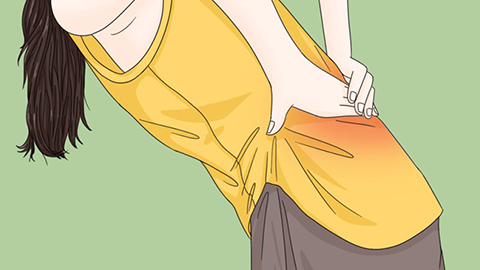
Proctitis does not cause lower back pain. Symptoms of proctitis may include left lower abdominal pain, irregular bowel movements, and increased bowel frequency. Some patients may experience anal irritation, which is a symptom of proctitis, but lower back pain is not clearly associated with proctitis. If the patient is a woman of childbearing age, back pain during menstruation accompanied by increased bowel frequency and loose stools may occur.
Proctitis is an inflammation caused by bacterial or viral infection in the rectal area. When this condition occurs, various adverse symptoms may appear, mainly表现为 diarrhea and abdominal pain. Most cases of this disease are caused by injury or poisoning. Therefore, active treatment is necessary after onset, beginning with identifying the underlying cause, followed by targeted therapy. So, can proctitis cause back or lower back pain?
Can Proctitis Cause Back Pain?
Proctitis does not typically cause lower back pain. Symptoms of proctitis usually include left lower abdominal pain, irregular bowel movements, and increased frequency of defecation. Some patients may experience anal irritation, which is considered a symptom of proctitis, but back pain is generally unrelated to this condition. If the patient is a woman of childbearing age who experiences back pain during menstruation along with increased bowel movements and loose stools, the symptoms of proctitis might coincide with menstrual-related back discomfort. Additionally, for other patients experiencing both back pain and diarrhea, differential diagnosis and distinct treatments are required. While diarrhea may be caused by proctitis, the back pain could stem from spinal conditions and should be evaluated accordingly.
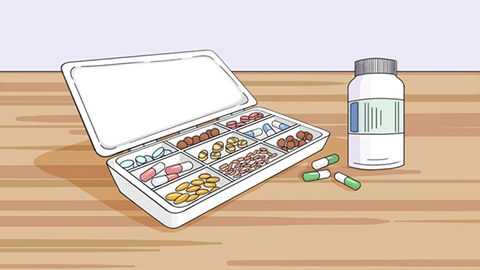
Patients with proctitis should ensure adequate rest during active phases of the disease. Diet should focus on low-residue, liquid, or semi-liquid foods. As the condition improves, patients can transition to nutritious, low-residue meals. For those with severe symptoms, temporary fasting may be necessary. Once the condition stabilizes, liquid or semi-liquid diets can be gradually reintroduced. The main symptoms of proctitis are abdominal pain and diarrhea. Diarrhea in these patients often involves passage of mucus, pus, and blood. Mucoid and bloody stools are among the most important signs of proctitis, and the frequency of bowel movements and amount of blood present can reflect the severity of the disease. Abdominal pain is usually mild to moderate, primarily located in the left lower abdomen or lower abdomen, though it may affect the entire abdomen. Due to prominent symptoms of abdominal pain and diarrhea, emotional fluctuations may sometimes worsen these symptoms. Therefore, proctitis patients may also benefit from appropriate psychological counseling and support.
When symptoms of proctitis appear, patients should seek medical attention promptly and avoid self-medicating. We hope this information has been helpful. Wishing you good health and a happy life.



