


What are the main characteristics of adult autism?
Dec 29, 2022
Source: Cainiu Health

Dr. Zhou Chao
Introduction
The main characteristic of adult autism is autism spectrum disorder in adults, a condition with widespread neurodevelopmental abnormalities. Typically emerging in early childhood, some symptoms may persist throughout life. Core features of autism include social interaction difficulties, impaired social communication, restricted interests, repetitive behaviors, and stereotyped patterns of behavior.
With the fast pace of modern life, some adults develop autism spectrum disorder due to excessive work and life stress. What are the main characteristics of adult autism?
What Are the Main Characteristics of Adult Autism?
The primary feature of adult autism is autism itself—specifically, adult autism. Autism is a neurodevelopmental disorder characterized by widespread abnormalities. Although it typically manifests in early childhood, certain symptoms may persist throughout life. Core features of autism include social interaction difficulties, impaired social communication, restricted interests, repetitive behaviors, and rigid patterns of behavior. The most fundamental traits involve challenges in socialization, communication, limited interests, and stereotyped behaviors that may continue into adulthood. In mild cases, some children may appear nearly typical in daily functioning and, with appropriate training during development, may experience some degree of symptom reduction or improvement as adults. However, they may still exhibit noticeable differences compared to neurotypical individuals in specific areas, meaning their behaviors do not reach typical social or communicative levels—social deficits, communication impairments, restricted interests, and repetitive behaviors may persist into adulthood.

Behavioral Training: Various behavioral intervention methods can be used, such as prompting, error correction, assistance techniques, reinforcement, and chaining strategies. Modeling: Patients can be shown target behaviors through demonstration and imitation, sometimes supported by video recording. Parent Training: This is integrated throughout the entire treatment process. Self-Management: Applying psychological principles to correct one's own behaviors. Social Skills Training: Targeting core symptoms of autism, such as eye contact, use of gestures, information exchange, initiating and ending activities. Currently, many types of social skills training exist, including how to start, maintain, and end conversations, how to make phone calls, how to interact with friends, how to understand and use humor, and how to respond to teasing or embarrassing situations.
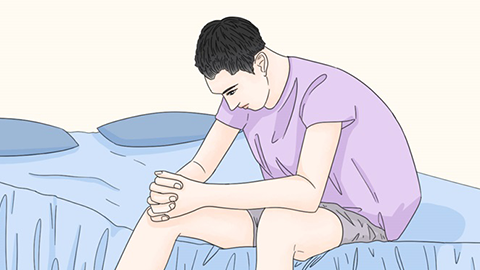
When adults show signs of autism, family members should spend more time陪伴 (accompanying) them and seek timely psychological treatment at a hospital. We hope this answer has been helpful to you. Wishing you good health and happiness!






