


How can prostatitis patients use dietary therapy?
Dec 29, 2022
Source: Cainiu Health

Dr. Li Mingchuan
Introduction
Patients with prostatitis should maintain a light diet and avoid spicy and greasy foods. Meats, vegetables, fruits, and other foods can be consumed. Traditional Chinese herbs and foods suitable for dietary therapy in patients with prostatitis syndrome include peach kernels, sea cucumber, Chinese yam, poria, red dates, eucommia bark, lotus seeds, cumin, loofah, psyllium, Sichuan pepper, hawthorn, hyacinth bean, and black-boned chicken.
In daily life, some men may suffer from prostatitis. However, many patients are unaware of how to apply dietary therapy in their everyday routines. So, how should prostatitis patients use diet therapy?
Dietary Therapy for Prostatitis Patients
Patients with prostatitis should maintain a light and balanced diet, avoiding spicy and greasy foods. More importantly, they should abstain from alcohol. Additionally, it's best to limit consumption of ginseng stewed meat, aphrodisiac medications, and seafood. Various herbs and foods such as peach kernels, sea cucumber, Chinese yam, poria (Fu Ling), red dates, Eucommia bark (Du Zhong), lotus seeds, cumin, loofah, psyllium, Sichuan pepper, hawthorn, hyacinth bean, and black-boned chicken can be used in dietary therapy for patients with prostatitis syndrome. Commonly used therapeutic recipes include red bean and crucian carp porridge, sea cucumber porridge, loofah porridge, Chinese yam porridge, peach kernel cuttlefish soup, steamed chicken with raw Rehmannia, and poria porridge.
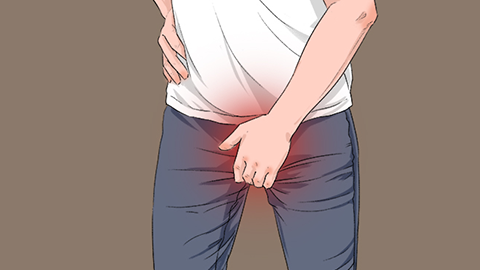
Dietary therapy is a unique treatment method in traditional Chinese medicine that effectively helps regulate the body. Therefore, while undergoing medical treatment, supplementing with appropriate dietary therapy can strengthen the patient’s constitution, reduce the toxicity and side effects of medications, and help achieve full recovery.
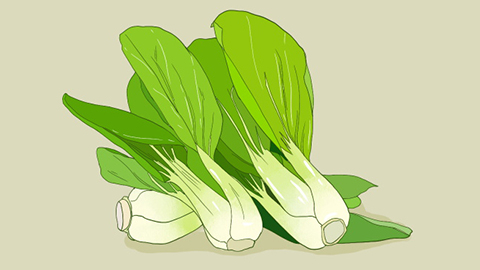
Prostatitis usually develops acutely, manifesting as chills, high fever, headache, and general malaise, accompanied by frequent urination, urgency, and painful urination. Due to congestion and swelling of the prostate, patients may experience varying degrees of urinary obstruction symptoms, such as difficulty urinating, weakened urine stream, split urine flow, and incomplete bladder emptying. We hope this information is helpful to you. Wishing you good health and happiness!







