What are the causes of male infertility?
Dec 12, 2025
Source: Cainiu Health

Dr. Cao Zhiqiang
Introduction
Male infertility may be caused by unhealthy lifestyle habits, excessive mental stress, varicocele, prostatitis, oligoasthenospermia, and other factors. It can be improved through lifestyle adjustments, emotional regulation, and medical treatments. If pregnancy is not achieved after one year of trying, timely medical evaluation is necessary. Long-term sleep deprivation, smoking, excessive alcohol consumption, and prolonged sitting can impair reproductive system function and lead to decreased sperm quality.
Male infertility may be caused by factors such as unhealthy lifestyle habits, excessive mental stress, varicocele, prostatitis, or oligoasthenospermia. It can be improved through lifestyle adjustments, emotional regulation, and medical treatments. If pregnancy has not been achieved after one year of trying, timely medical evaluation is recommended.
1. Unhealthy lifestyle habits: Long-term sleep deprivation, smoking, excessive alcohol consumption, and prolonged sitting can impair reproductive system function and reduce sperm quality. It is recommended to maintain regular sleep patterns, avoid staying up late, quit smoking, limit alcohol intake, avoid prolonged sitting, and engage in appropriate physical activity to improve the reproductive health environment.
2. Excessive mental stress: Chronic anxiety and tension can disrupt endocrine function, interfering with sperm production and motility. Stress can be relieved through exercise, talking with others, and maintaining a calm mindset to help restore hormonal balance.
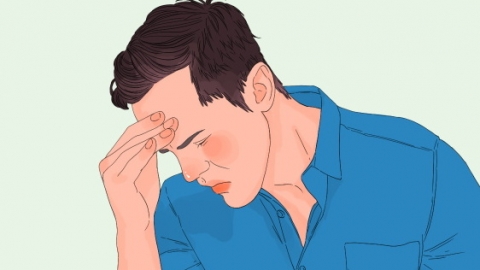
3. Varicocele: Impaired venous blood flow increases scrotal temperature, affecting sperm production, often accompanied by a feeling of heaviness or dull pain in the scrotum. Under medical guidance, medications such as mazipiling tablets, diosmin tablets, or sodium aescinate tablets may be used to alleviate symptoms.
4. Prostatitis: Inflammation of the prostate caused by bacterial infection or non-infectious factors can affect semen liquefaction, accompanied by frequent urination and discomfort in the perineal area. Patients may use levofloxacin capsules, cefixime dispersible tablets, or qianliekang tablets under medical supervision to relieve symptoms.
5. Oligoasthenospermia: Hormonal imbalances and nutritional deficiencies can lead to low sperm count and reduced motility, decreasing the chances of conception. Patients may follow medical advice to take medications such as shengjing tablets, L-carnitine oral solution, or vitamin E soft capsules to improve symptoms.
Maintain regular sleep patterns, avoid staying up late, quit smoking, limit alcohol, avoid high-temperature environments, eat a balanced diet rich in nutrients like zinc and selenium, exercise moderately to strengthen the body, and maintain a positive mindset to support recovery of reproductive function.