The Functions and Effects of Mugwort
Dec 29, 2022
Source: Cainiu Health

Dr. Li Man
Introduction
Mugwort leaf refers to Artemisia argyi. The leaves are primarily used as a hemostatic agent. Typically, the leaves are stir-fried before use; after stir-frying, they exert the effects of warming the meridians and stopping bleeding. Medicinally, mugwort leaf acts mainly on the lower jiao, particularly treating hemorrhage caused by deficiency-cold in the lower jiao. It is commonly used for gynecological metrorrhagia, excessive menstruation, and postpartum bleeding. As a warming interior herb, Artemisia argyi can also alleviate pain due to cold.
In daily life, it is common for women to use moxibustion with Artemisia argyi (mugwort) to regulate their health, and mugwort leaves are also used to prevent epidemics. So, what are the benefits and effects of mugwort?
Benefits and Effects of Mugwort
Mugwort refers to the leaves of Artemisia argyi. The leaves are primarily used as a hemostatic agent. Typically, the leaves are stir-fried before use. After being stir-fried, they can warm the meridians and stop bleeding. This herb works best on the lower jiao (lower part of the body), mainly treating hemorrhages caused by deficiency-cold in the lower jiao. It is commonly used for gynecological disorders such as metrorrhagia, excessive menstruation, and postpartum bleeding. Patients with a constitution characterized by deficiency-cold often benefit from this herb. However, using mugwort alone may not be sufficient for stopping bleeding, so it is generally combined with herbs that tonify blood and address deficiencies.
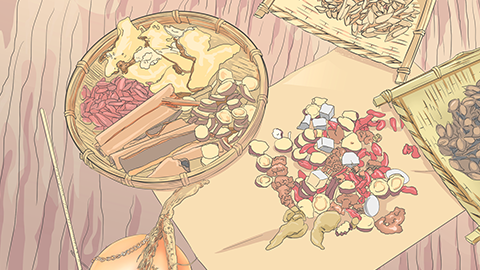
Additionally, mugwort is a warming herb that helps relieve cold-induced pain. Its effects are particularly focused on the lower jiao. For example, it can be used to treat dysmenorrhea, abdominal pain during menstruation, and hernia pain when there is cold accumulation in the lower jiao. It is also effective for eczema, scabies, and hemorrhoids. Artemisia has been used for epidemic prevention for thousands of years, showing inhibitory and destructive effects against many viruses and bacteria, and offering certain preventive and therapeutic benefits for respiratory diseases.
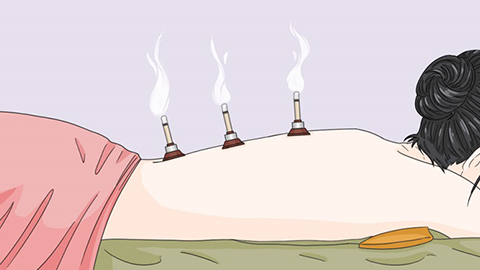
The smoke produced by burning mugwort leaves has antibacterial and antimicrobial properties, making it useful in preventing and controlling epidemics. Moreover, hanging mugwort leaves directly can also serve to disinfect and kill germs, helping prevent respiratory illnesses. We hope this information is helpful to you. Wishing you good health and happiness!