


Traditional Chinese Medicine treatment methods for bronchiectasis
Dec 29, 2022
Source: Cainiu Health

Dr. Guo Xiheng
Introduction
At every stage, patients should first eliminate heat and toxic substances from the body. Even during the recovery phase, while enhancing the body's resistance, methods to clear heat and detoxify should still be applied. Treatment should be staged according to clinical manifestations and causes. Never prescribe medication based solely on formulas found in books. Besides traditional Chinese medicine, other therapeutic approaches exist, such as pulmonary drainage and oral medication.
Bronchiectasis has a certain impact on patients. To achieve better treatment outcomes, patients often adopt various therapeutic approaches, among which traditional Chinese medicine (TCM) is a commonly chosen option. So, what are the TCM treatments for bronchiectasis?
Traditional Chinese Medicine Treatments for Bronchiectasis
In traditional Chinese medicine, bronchiectasis is classified as "lung abscess" (fei yong). Lung abscess is divided into several stages: acute stage, suppurative stage, abscess formation stage, purulent discharge stage, and recovery stage. In the early stage, external pathogenic factors may trigger an acute episode, which can be treated with wind-dispersing and exterior-resolving herbs such as Yin Qiao San. During the abscess stage, heat-clearing and detoxifying herbs should be added. If hemoptysis (coughing up blood) occurs, cooling-blood herbs may be included. In the ulceration stage, phlegm-resolving herbs can be used to help expel pus-laden phlegm resulting from ruptured abscesses. During the recovery phase, patients should receive tonifying therapy based on the degree of deficiency in qi, blood, yin, or yang.
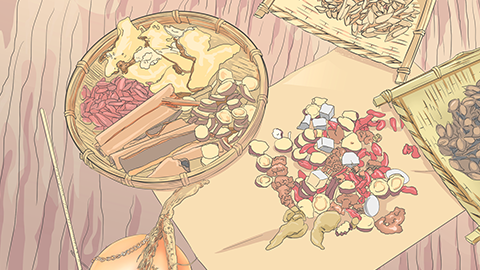
At every stage, patients should first eliminate internal heat and toxic substances from the body. Even during the recovery phase, while strengthening immunity, heat-clearing and detoxifying methods should still be incorporated. Treatment should be staged according to clinical manifestations and underlying causes. Never self-prescribe based solely on formulas found in books. Besides TCM, other treatment methods are also available, such as pulmonary drainage and oral medications.

Patients with bronchiectasis should quit smoking and avoid alcohol, preventing harmful substances produced by cigarette smoke from being inhaled and directly irritating the airways, which could lead to respiratory inflammation and spasms, worsening ventilation impairment. Diet-wise, spicy and irritating foods should be avoided, as they may stimulate the respiratory tract and exacerbate the condition. These include chili peppers, pepper, garlic, scallions, leeks, ginger, and other pungent foods. Additionally, meals should not be excessively salty or spicy. We hope this information is helpful to you. Wishing you good health and happiness.






