


What should not be eaten with a fracture
Dec 29, 2022
Source: Cainiu Health

Dr. Lin Yunfei
Introduction
Fractures are mostly caused by trauma or pathological factors. They involve partial or complete breakage of bones, and special attention should be paid to diet after a fracture. After a fracture, do not take calcium supplements arbitrarily. Patients often remain bedridden following a fracture, which may impair calcium absorption. Taking calcium supplements indiscriminately could be not only ineffective but also harmful. After a fracture, certain traditional Chinese medicines may be taken orally for调理 (regulation and recovery), such as bone-healing herbal remedies.
Some people in daily life suffer from fractures, causing significant disruptions to their lives and studies. They may want to learn about dietary restrictions—so what should you avoid eating when you have a fracture?
What Should Be Avoided with a Fracture?
Fractures are commonly caused by trauma or pathological conditions, resulting in partial or complete bone breakage. Special attention should be paid to diet after a fracture. Do not casually take calcium supplements following a fracture. After a fracture, patients often remain bedridden, and if calcium intake is too high, the body may not absorb it effectively. Taking calcium supplements indiscriminately could be not only ineffective but also harmful. Additionally, spicy foods such as chili peppers, raw scallions, pepper, and mustard should be avoided. After a fracture, it's recommended to eat more fresh vegetables and fruits, easily digestible foods, and foods rich in vitamin C to promote callus formation and wound healing.
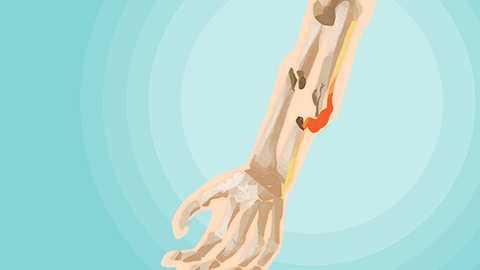
After a fracture, certain traditional Chinese medicines (TCM) can be taken orally to support recovery. For example, bone-healing herbs such as *Herba Hemsleyae* (Jiegucao), *Dipsacus asperoides* (Xuduan), and *Eucommia ulmoides* (Du Zhong) can be used after the acute phase of the fracture has passed, helping accelerate bone healing. Herbs like *Herba Clematidis* (Shenjincǎo) and *Herba Siegesbeckiae* (Tougucao) can help reduce local swelling and relieve pain. Other herbs such as *Aconitum carmichaelii* (Fuzi) and *Artemisia argyi* (Aiye) can improve local blood circulation around the fracture site, thereby promoting healing.

The above-mentioned medications are for reference only. Specific use of any medication should be conducted under the guidance of a physician. It is also recommended to seek timely medical examination and appropriate treatment from healthcare professionals upon injury. We hope this information is helpful to you. Wishing you good health and happiness!





