


What causes diarrhea in babies?
Dec 29, 2022
Source: Cainiu Health

Dr. Lv Aiming
Introduction
Diarrhea is a common clinical symptom in children, mainly characterized by an increased frequency of bowel movements accompanied by changes in stool consistency. When a baby has diarrhea, the first step is to identify the underlying cause. There are many causes of diarrhea, primarily classified into two categories: infectious and non-infectious. Infectious diarrhea is mainly caused by bacteria and viruses, and may include conditions such as dysentery and enteritis.
Diarrhea is a common clinical symptom in children, primarily characterized by an increased frequency of bowel movements accompanied by changes in stool consistency. When a baby has diarrhea, the first step is to identify the underlying cause.
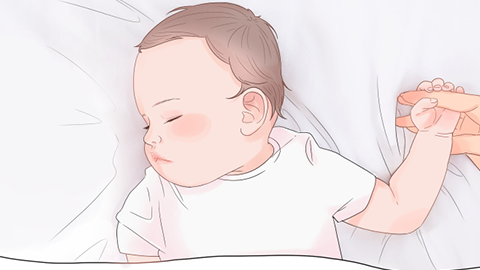
What Causes Diarrhea in Babies?
There are many causes of diarrhea, broadly categorized into two types: infectious and non-infectious. Infectious diarrhea is mainly caused by bacteria and viruses, possibly indicating conditions such as dysentery or enteritis. For example, rotavirus during autumn can also lead to diarrhea, as can consuming contaminated food in summer—these are all forms of infectious diarrhea, so it's essential to prevent pathogens from entering through the mouth. Routine stool tests, stool cultures, and rotavirus antigen detection can help determine whether the diarrhea is due to infection.
Diarrhea not caused by bacteria or viruses is called non-infectious diarrhea. The most common causes of non-infectious diarrhea include: first, improper feeding, such as eating varied or inappropriate foods, or consuming cold or greasy meals. Second, it may be due to the baby’s own condition—some infants have lactose intolerance or allergies to substances like soy or seafood. Consuming these foods can trigger diarrhea. Third, certain medications may be responsible. For instance, if a baby takes traditional Chinese medicine for colds or fever that contains ingredients intended to clear heat and detoxify, some components designed to clear internal fire and stop diarrhea might paradoxically cause diarrhea. Fourth, non-infectious diarrhea may be related to seasonal factors. Excessive intestinal motility caused by exposure to cold can also lead to diarrhea.
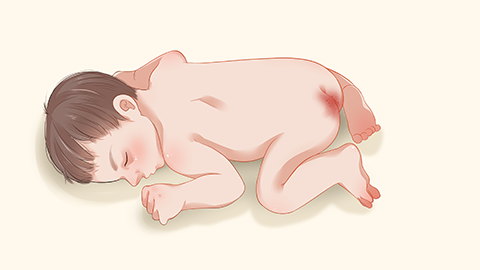
Since there are many potential causes of infant diarrhea, if symptoms persist or worsen, it is recommended to seek timely medical care and receive treatment under a doctor's guidance.





