


Are the side effects of the rotavirus vaccine severe?
Dec 29, 2022
Source: Cainiu Health

Dr. Jiang Weimin
Introduction
In general, mild symptoms such as slight fever may occur after receiving the rotavirus vaccine, but high fever is rare. In such cases, giving your baby plenty of warm water and allowing time for recovery usually suffices, and no special treatment is needed. There are not significant side effects, so there's no need to worry excessively. Reactions mainly depend on each child's individual constitution. However, if the rotavirus vaccine is administered via injection, there tend to be many more side effects.
The rotavirus vaccine is a preventive vaccine designed to protect infants against gastroenteritis caused by rotavirus. After receiving the vaccine, some side effects may occasionally occur. Are the side effects of the rotavirus vaccine significant?
Are the Side Effects of the Rotavirus Vaccine Significant?
Generally, mild symptoms such as low-grade fever may occur after administration of the rotavirus vaccine, but high fever is rare. In such cases, giving the baby more warm water usually helps restore normal condition gradually, and no special treatment is needed. The vaccine has minimal side effects, so there's no need for excessive concern. Reactions largely depend on each child's individual constitution. When the rotavirus vaccine is administered via injection, side effects are more common, including occasional mild reactions like low fever, vomiting, or diarrhea, which typically resolve on their own without requiring treatment. If taken orally, the vaccine should be spaced at least two weeks apart from other live vaccines or immunoglobulin products. Additionally, infants should avoid hot food and drinks, including hot water, for 30 minutes before and after vaccination. Administering the rotavirus vaccine to children helps prevent epidemic diarrhea caused by rotavirus infection. Although the vaccine may cause some adverse reactions, these occur at a very low rate.
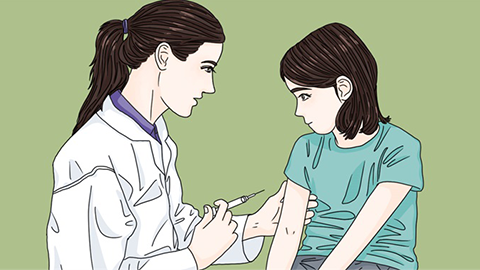
The rotavirus vaccine prevents rotavirus enteritis, primarily targeting children aged 2–3 years. Rotavirus is the second leading cause of emergency visits and deaths in infants with infectious diarrhea (excluding respiratory infections). In China, approximately 10 million infants suffer from rotavirus gastroenteritis annually, accounting for about one-quarter of all infants. Consequently, rotavirus has become a major focus of scientific research worldwide. The rotavirus vaccine is currently the most economical and effective means of preventing rotavirus-induced diarrheal disease.
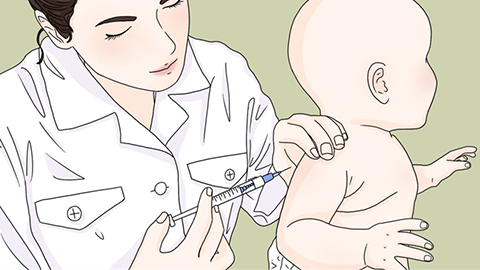
In daily life, it's important to pay close attention to infant health, enhance their resistance and immunity, and help prevent illness. We hope this information is helpful to you. Wishing you good health and happiness!






