


What should be done when elderly people experience hallucinations?
Dec 29, 2022
Source: Cainiu Health

Dr. Li Man
Introduction
If an elderly person experiences hallucinations, it is recommended to promptly visit a hospital for examinations such as brain CT scans, and to treat the underlying cause. If the patient suffers from psychiatric disorders such as schizophrenia, antipsychotic medications like olanzapine, quetiapine, or risperidone are recommended, along with antidepressants such as fluoxetine or paroxetine. Medications like donepezil can help improve the patient's cognitive function.
Due to the unique physical condition of elderly individuals, extra attention is required in daily life. Some older adults may experience hallucinations, the causes of which are often unclear, causing great distress to their families. What should be done when an elderly person experiences hallucinations?
What to do when elderly individuals experience hallucinations
If an elderly person has hallucinations, it is recommended to seek prompt medical evaluation, including brain CT scans and other relevant tests, to identify and treat the underlying cause. If the individual is diagnosed with psychiatric disorders such as schizophrenia, antipsychotic medications like olanzapine, quetiapine, or risperidone are recommended. Antidepressants such as fluoxetine or paroxetine may also be prescribed alongside. Medications like donepezil can help improve cognitive function.
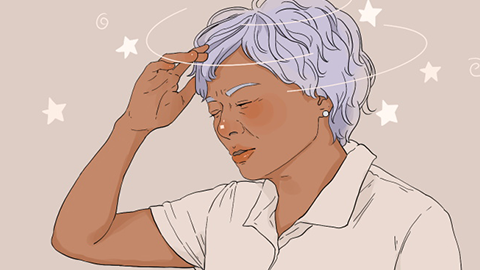
Hallucinations often develop following psychological or physiological stimuli and can create a sense of mental oppression. For example, individuals with schizophrenia may hear voices that others cannot hear, or see things that are not visible to others. These sensory experiences are known as auditory or visual hallucinations. Auditory hallucinations are commonly seen in certain organic mental illnesses or psychiatric conditions caused by brain injury.

Family members should spend more time accompanying the patient, which can help slow disease progression and improve quality of life. Additionally, special attention should be paid to the elder's diet—opt for easily digestible foods. Accompanying the elderly on outdoor walks when possible can enhance immunity and resistance, reducing the risk of illness. We hope this information is helpful. Wishing you good health and happiness.




