


What are the symptoms of functional uterine bleeding?
Dec 29, 2022
Source: Cainiu Health

Dr. Mei Quan
Introduction
Dysfunctional uterine bleeding (DUB) refers to abnormal uterine bleeding that deviates from normal menstruation in terms of cycle, frequency, regularity, or menstrual blood volume. Based on the timing of bleeding, it can be classified as menstrual bleeding, irregular uterine bleeding, or breakthrough bleeding. According to disease severity, it can be categorized as chronic or acute. Chronic AUB is defined as at least three episodes of AUB occurring within the past six months.
Dysfunctional uterine bleeding refers to abnormal uterine bleeding that differs from normal menstruation in terms of cycle, frequency, regularity, or menstrual blood volume.
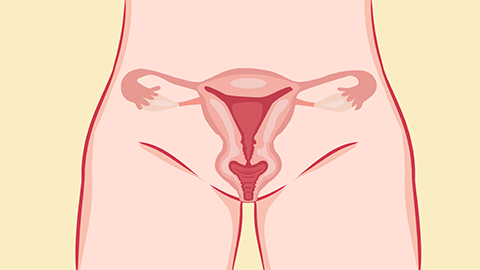
What are the symptoms of functional uterine bleeding?
Based on timing, bleeding can be classified as menstrual bleeding, irregular uterine bleeding, or breakthrough bleeding. According to disease severity, it can be divided into chronic and acute forms. Chronic abnormal uterine bleeding (AUB) refers to at least three episodes of AUB within the past six months that do not require emergency clinical intervention but do require standardized treatment. In contrast, acute AUB involves severe abnormal uterine bleeding requiring immediate treatment to prevent further blood loss. Chronic AUB may also occur when various internal and external factors disrupt the hypothalamic-pituitary-ovarian axis regulation or cause abnormal target organ responses, leading to menstrual disorders.
Functional uterine bleeding is categorized into anovulatory dysfunctional uterine bleeding and ovulatory dysfunctional uterine bleeding. The most common clinical manifestation of anovulatory dysfunctional uterine bleeding is menstrual cycle irregularity. Some individuals may menstruate every 20 days, while others may have cycles of 40 or even 50 days, with varying duration and amount of bleeding. Those with mild bleeding may only experience spotting, whereas those with heavy bleeding often have prolonged and excessive flow, which can lead to secondary anemia. In severe cases, patients may experience hemorrhage severe enough to cause shock. Ovulatory bleeding mainly presents as prolonged menstruation—lasting 7 to 10 days—or shortened menstrual cycles occurring every 22 days.

Patients experiencing abnormal bleeding should seek medical care at a hospital and receive treatment under the guidance of a physician.




