


Can people with gout eat soybeans?
Dec 29, 2022
Source: Cainiu Health

Dr. Liu Aihua
Introduction
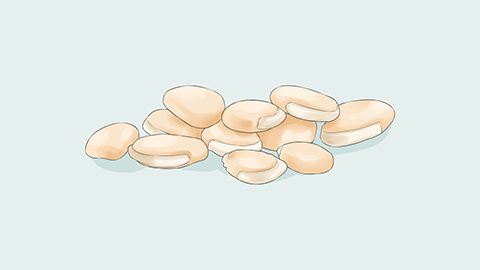
Soybeans are not recommended for gout patients, especially during acute gout attacks. Gout is a metabolic disorder primarily caused by purine metabolism abnormalities and reduced uric acid excretion. Soybeans are foods with moderate to high purine content. During an acute gout attack, uric acid levels are already higher than normal; consuming soybeans at this time can further elevate uric acid levels, which is detrimental to recovery from gout.
Many people in our daily lives suffer from gout, which significantly affects their everyday activities. Individuals with gout must follow dietary restrictions and often experience physical discomfort and limitations. So, can people with gout eat soybeans?
Can people with gout eat soybeans?
Soybeans are not recommended for individuals with gout, especially during acute gout attacks. Gout is a metabolic disorder primarily caused by disordered purine metabolism and reduced uric acid excretion. Soybeans contain moderate to high levels of purines. During an acute gout attack, blood uric acid levels are already elevated above normal; consuming soybeans can further increase uric acid levels, hindering recovery and potentially worsening symptoms such as redness, swelling, heat, and pain. During periods of gout remission, small amounts of soybeans may be consumed occasionally. However, it is advisable to soak the soybeans in water for an extended period before consumption to help reduce their purine content.
Gout is a metabolic disease, and the dietary principle for gout patients is to avoid high-purine foods. High-purine foods are defined as those containing more than 150 mg of purines per 100 grams, including various animal organs, seafood, fermented foods, rich meat broths, and hot pot soups. Moderate-purine foods contain 50–150 mg of purines per 100 grams and include chicken, pork, beef, lamb, duck, and goose liver.
Gout patients should pay close attention to their diet in daily life to avoid exacerbating their condition and affecting quality of life. If any abnormalities occur, prompt medical evaluation and treatment are recommended. We hope this information has been helpful. Wishing you good health and a happy life!




