


Is gua sha effective for gout?
Dec 10, 2025
Source: Cainiu Health

Dr. Sun Lianqing
Introduction
During the remission phase of gout, gua sha may help alleviate discomfort; however, during acute flare-ups, gua sha could potentially worsen symptoms. The underlying cause of gout is abnormal uric acid metabolism in the body, leading to deposition of urate crystals and subsequent inflammatory reactions. In the remission phase, when there is no obvious redness, swelling, or pain in the joints, gua sha can promote local blood circulation, relax muscles, and relieve stiffness in the tissues surrounding the joints, thus providing a certain therapeutic effect.
Generally, gua sha during the remission phase of gout may help alleviate discomfort, while performing gua sha during an acute attack may worsen symptoms. If in doubt, it is advisable to consult a healthcare professional beforehand. Detailed analysis is as follows:
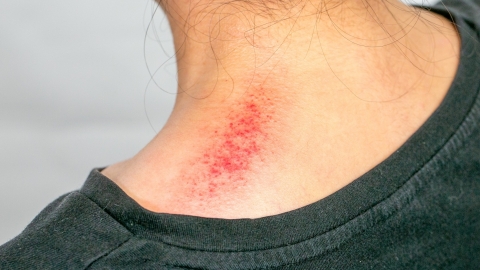
The root cause of gout lies in abnormal uric acid metabolism, leading to deposition of urate crystals and subsequent inflammatory reactions. During the remission phase—when there is no obvious redness, swelling, or pain in the joints—gua sha can promote local blood circulation, relax muscles, relieve joint stiffness, and provide certain therapeutic benefits, although it cannot reduce uric acid levels in the body.
However, during an acute attack, joints typically exhibit redness, swelling, heat, and pain. Performing gua sha at this stage causes mechanical stimulation to the affected area, intensifying local inflammation and potentially exacerbating pain and swelling, possibly prolonging the course of the disease. Additionally, for individuals with gout who have skin breaks or ulcers, gua sha may compromise the skin barrier and increase the risk of infection; therefore, it should be avoided in such cases.
Before undergoing gua sha, it is important to clearly identify the current stage of gout, seek treatment from qualified practitioners, and combine the practice with dietary control and medical therapy. If any discomfort occurs, discontinue immediately and seek medical advice.



