


Can oral Candida albicans infection be cured?
Jan 05, 2023
Source: Cainiu Health

Dr. Liu Chao
Introduction
Candida albicans is a type of fungus commonly found in the oral cavity, upper respiratory tract, intestines, and vagina. Under normal conditions, it exists in small numbers and does not cause disease. However, if the body's immune function is compromised and the mutual restraint among normal microbial flora becomes disrupted, Candida albicans may proliferate excessively, change its growth form, invade cells, and potentially cause disease.
Oral candidiasis caused by Candida albicans can be effectively treated. With prompt and active treatment, the prognosis is usually good, so patients need not worry excessively and should seek medical care at a hospital as soon as possible.
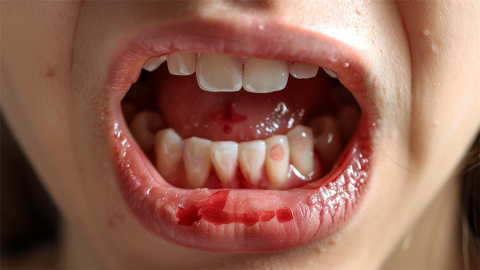
Candida albicans is a type of fungus commonly found in the oral cavity, upper respiratory tract, intestines, and vagina. Under normal conditions, its numbers are low and it does not cause disease. However, when immune function declines and the natural balance among microbial populations is disrupted, Candida albicans may proliferate excessively, change its growth form, invade cells, and potentially lead to infection. Oral Candida albicans infection is relatively common and may result in conditions such as candidal stomatitis, cheilitis, and angular cheilitis. In the early stages, symptoms may be mild or unnoticeable; if left untreated, patients may develop dry mouth, local burning sensations, redness, and moisture at the corners of the mouth. Under medical guidance, patients can take antifungal medications such as nystatin tablets, fluconazole tablets, or itraconazole dispersible tablets. These treatments help maintain a mildly alkaline environment in the mouth, promoting recovery.
Patients should maintain good oral hygiene, avoid overly sweet, salty, or spicy foods—such as cakes, pickled vegetables, and hot pot—and quit smoking and alcohol consumption. Adequate rest is also important to support recovery.





