


What causes loss of smell after recovering from COVID-19, and what should be done about it?
Jan 16, 2023
Source: Cainiu Health

Dr. Guo Xiheng
Introduction
Post-positive refers to the period after testing positive for the novel coronavirus infection. Loss of smell may be a normal phenomenon, or it could be caused by nasal mucosal congestion, impaired neural conduction pathways, colds, rhinitis, etc., and can be improved according to specific conditions. It is recommended to seek timely medical attention and receive treatment under the guidance of a doctor. Nasal mucosal congestion and swelling can block odor molecules from reaching the olfactory receptors.
Loss of smell after testing positive for the novel coronavirus infection may be due to normal physiological recovery, nasal mucosal congestion, impaired neural conduction pathways, common cold, or rhinitis. Appropriate measures can be taken depending on the specific cause. It is recommended to seek timely medical evaluation and treatment under a doctor's guidance.
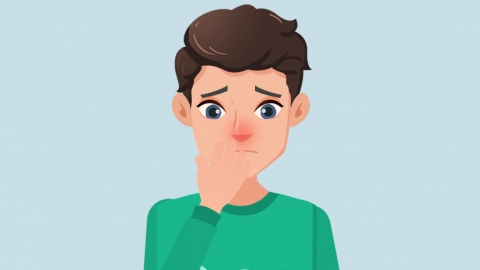
1. Normal Phenomenon
Novel coronavirus infection is a highly contagious disease, commonly presenting symptoms such as fatigue, fever, dry cough, reduced or lost sense of smell, nasal congestion, muscle pain, and diarrhea. In particular, patients with nasal congestion may experience more pronounced reduction or loss of smell. This is usually a normal phenomenon caused by incomplete bodily recovery, and most individuals will spontaneously regain their sense of smell within two months.
2. Nasal Mucosal Congestion
After contracting the SARS-CoV-2 virus, the body’s immune system triggers an inflammatory response, leading to nasal mucosal congestion and swelling. This blocks odor molecules from reaching olfactory receptors, thereby impairing the sense of smell. Using saline solution to rinse the nasal cavity can help clear secretions and reduce mucosal swelling.
3. Impaired Neural Conduction Pathway
The neural pathway transmitting signals from olfactory receptors to the brain may be disrupted following a coronavirus infection. Inflammatory mediators or the virus itself might interfere with nerve fiber function, preventing effective transmission of olfactory signals to the brain's olfactory center. It is advised to ensure adequate rest and high-quality sleep, which supports nervous system recovery—aiming for 7–9 hours of sleep per night.
4. Common Cold
Cold exposure, bacterial infections, or viral infections may lead to the common cold. If nasal congestion is severe or prolonged, it may result in temporary loss of smell. Patients are advised to take medications such as Ganmao Qingre Granules, Sangju Cold Tablets, or Siji Cold Tablets under medical supervision.
5. Rhinitis
Rhinitis may be associated with infections, environmental factors, or pre-existing conditions. Patients with rhinitis often suffer from nasal congestion, runny nose, nasal itching, and sneezing. The novel coronavirus may irritate the nasal passages, triggering or worsening rhinitis, causing recurrent episodes and resulting in anosmia (loss of smell). Under medical guidance, patients may use medications like chlorpheniramine maleate tablets, cetirizine hydrochloride syrup, or Rhinitis Tablets to relieve symptoms.
In terms of diet, it is recommended to consume foods rich in protein, vitamins, and minerals—such as eggs, lean meat, tomatoes, apples, etc.—to supply essential nutrients and support overall health. Additionally, engaging in moderate physical activities such as walking, tai chi, or yoga may help strengthen immunity and reduce the risk of illness.






