


What does high-grade intraepithelial lesion mean?
Feb 23, 2023
Source: Cainiu Health
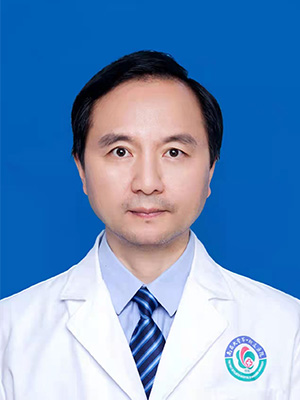
Dr. Peng Xiaodong
Introduction
High-grade intraepithelial lesion generally refers to cervical intraepithelial neoplasia. This condition typically indicates a high-grade squamous intraepithelial lesion in the cervix, which is closely associated with cervical invasive cancer and may be related to infection with high-risk human papillomavirus (HPV) types such as HPV16 and HPV18. It has the potential to progress to cancer. If not treated promptly, long-term infection may develop into cervical cancer.
High-grade intraepithelial lesions usually refer to cervical epithelial abnormalities.
High-grade intraepithelial lesions typically indicate high-grade squamous intraepithelial lesions (HSIL) in the cervix. These lesions are closely associated with cervical invasive cancer and may be related to infection with high-risk human papillomavirus (HPV) types such as HPV16 and HPV18, possessing potential for malignant transformation. If not treated promptly, long-term infection may progress to cervical cancer, potentially leading to metastasis and posing a serious threat to life.
Many patients with high-grade cervical intraepithelial lesions do not experience specific symptoms. However, some may develop recurrent post-coital bleeding or abnormal vaginal discharge. Cervical intraepithelial neoplasia along with high-risk HPV infection is often detected through cervical TCT testing, HPV screening, and biopsy under colposcopy.
Since high-grade lesions represent a precancerous stage, timely medical evaluation and treatment are essential regardless of the presence or absence of clinical symptoms. Common treatments include cervical conization and ablation therapy. For older patients without future fertility needs, extrafascial total hysterectomy may be considered.
Patients are advised to undergo regular follow-up examinations, avoid unhygienic sexual practices, maintain good personal hygiene, and frequently change their underwear.







