


What does low apolipoprotein B100 indicate?
Mar 25, 2023
Source: Cainiu Health

Dr. Tian Hongbo
Introduction
Low apolipoprotein B100 indicates that the patient's low-density lipoprotein (LDL) level is also low. Apolipoproteins are globular proteins responsible for transporting lipids; they carry blood lipids to various tissues throughout the body for utilization and metabolism, playing a crucial role in the development and regulation of cardiovascular and cerebrovascular diseases.
Apolipoprotein B100 is low, indicating that the level of low-density lipoprotein (LDL) is also likely low. This may be caused by intense physical exercise, pregnancy, malnutrition, hyperthyroidism, chronic hepatitis, and other conditions. Improvements can be made depending on the specific cause. It is recommended to seek timely medical evaluation and treatment under the guidance of a physician.
1. Intense Physical Exercise
After intense exercise, fat mobilization accelerates. Apolipoprotein B100 primarily participates in the synthesis and transport of very low-density lipoproteins (VLDL) and LDL. When large amounts of fat are being broken down, the demand for apolipoprotein B100 decreases, leading to reduced synthesis. After exercising, it's important to engage in adequate cool-down activities such as slow walking or stretching to allow the body’s metabolic state to gradually return to normal.
2. Pregnancy
During pregnancy, the body prioritizes nutrient delivery to the fetus, which may lead to redistribution of blood lipid components. The lipoprotein transport process involving apolipoprotein B100 may also be affected. Pregnant women should maintain a balanced diet and ensure sufficient intake of essential nutrients—especially protein, calcium, and iron—to support both maternal and fetal health.
3. Malnutrition
When nutritional intake is inadequate—particularly with deficiencies in protein, fats, and vitamins—the normal function of organs such as the liver may be impaired. A lack of raw materials and cofactors required for apolipoprotein B100 synthesis leads to decreased production. It is recommended to adjust dietary patterns to ensure nutritional balance, increasing consumption of protein-rich foods such as lean meat, fish, legumes, and dairy products.
4. Hyperthyroidism
This condition is typically caused by excessive secretion of thyroid hormones. These hormones suppress hepatic synthesis of apolipoprotein B100 by interfering with gene transcription and protein synthesis within liver cells, resulting in reduced production. Symptoms may include increased appetite, irritability, and mood swings. Follow your doctor's advice regarding medications such as methimazole tablets, Yikang Pills, or Xiaojin Pills to alleviate symptoms.
5. Chronic Hepatitis
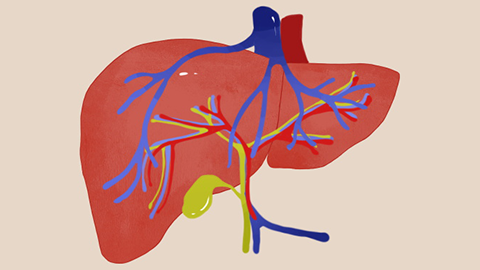
Chronic hepatitis is often associated with infection. The liver is a key site for apolipoprotein B100 synthesis. Inflammation damages hepatocytes, reducing the activity of metabolic enzymes within liver cells and impairing lipid synthesis and apolipoprotein B100 production. Additional symptoms may include fatigue and jaundice. Under medical supervision, patients may use medications such as bifendate tablets, recombinant human interferon α2b injection, or Anluohuaxian Pills to improve symptoms.
In daily life, it is advisable to avoid spicy and irritating foods, refrain from smoking and drinking alcohol, drink plenty of water, increase intake of high-quality protein, exercise regularly, and ensure adequate rest and sleep.




