


Nasal augmentation using ear cartilage shows retraction after two years
May 08, 2023
Source: Cainiu Health

Dr. Chen Lu
Introduction
Nasal augmentation using ear cartilage may experience retraction after two years due to natural absorption of the cartilage, changes in skin tension and elasticity, external forces, improper postoperative care, or chronic nasal inflammation. Improvements can be made depending on the specific cause. It is recommended to seek timely medical evaluation and treatment under a doctor's guidance. Additional ear cartilage or combination with other nasal implant materials may be required to reshape the nasal structure.
Nasal augmentation using ear cartilage may experience retraction two years later due to factors such as natural absorption of ear cartilage, changes in skin tension and elasticity, external force impact, improper care, and long-term irritation from rhinitis. Improvements can be made depending on the specific cause. It is recommended to seek timely medical consultation and receive treatment under a doctor's guidance.
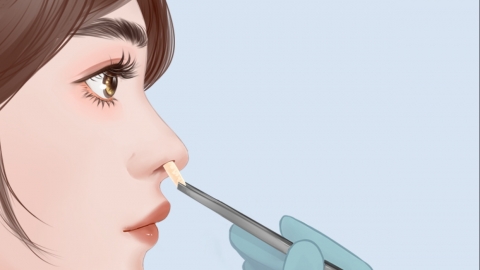
1. Natural Absorption of Ear Cartilage
Individual differences may lead to ongoing minor absorption of ear cartilage in some people even after two years, resulting in reduced cartilage volume and diminished nasal augmentation effects. If the retraction is mild, injecting a small amount of hyaluronic acid can help restore nasal height and shape. For more significant absorption that affects appearance, additional ear cartilage or combination with other nasal augmentation materials may be required to reconstruct the nasal contour.
2. Changes in Skin Tension and Elasticity
With aging, skin elasticity gradually decreases, weakening its enveloping and supportive capacity for the implanted cartilage. Additionally, if there was high skin tension at the time of cartilage implantation, prolonged tension may compress and deform the cartilage over time, leading to retraction. Consider performing skincare routines that promote skin firmness to enhance elasticity.
3. External Force Impact
Daily external forces—such as frequently blowing the nose forcefully or sleeping on one side for extended periods, thereby pressing on the nose—can gradually alter the position and shape of the ear cartilage, causing retraction. Correct不良 habits by gently blowing the nose, adjusting sleep posture to minimize prolonged pressure on the nose, and performing gentle nasal massages when appropriate.
4. Improper Postoperative Care
If post-surgical care is inadequate within the first two years, infections in the nasal area may occur. Inflammatory responses can cause local tissue swelling and congestion, and inflammatory substances may erode the ear cartilage, compromising its structural integrity. It is recommended to use medications such as Amoxicillin Capsules, Cefixime Dispersible Tablets, or Levofloxacin Tablets under a doctor’s supervision to manage symptoms.
5. Long-Term Irritation from Rhinitis
In patients with chronic rhinitis, persistent inflammation inside the nasal cavity leads to mucosal swelling and increased secretions, which exert continuous pressure and adverse stimulation on nasal tissues—including the ear cartilage—compromising its stability and shape and potentially causing retraction. Patients should follow medical advice to take medications such as Biyuan Tongqiao Granules, Qianbai Rhinitis Tablets, or Tongqiao Biyan Granules to alleviate discomfort.
Maintain healthy lifestyle habits: avoid excessive fatigue and strenuous exercise to prevent physical discomfort. It is advisable to engage in moderate physical activities such as walking or jogging according to individual conditions, which can help strengthen immunity and support recovery.





