


What is the acceptable blood glucose range for tooth extraction?
May 12, 2023
Source: Cainiu Health

Dr. Liu Chao
Introduction
Under normal circumstances, for diabetic patients undergoing tooth extraction, fasting blood glucose should generally be controlled below 6.1 mmol/L, and postprandial blood glucose below 7.8 mmol/L. Tooth extraction is a common dental procedure, and for some diabetic patients requiring this treatment, proper blood glucose control is crucial.
For diabetic patients undergoing tooth extraction, fasting blood glucose should generally be controlled below 6.1 mmol/L and postprandial blood glucose below 7.8 mmol/L. If any discomfort occurs, prompt medical attention is recommended.
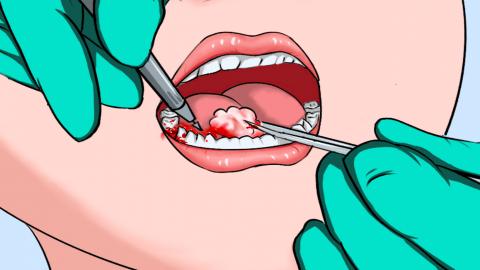
Tooth extraction is a common dental procedure, and for diabetic patients who require it, proper blood glucose control is crucial. Prior to the procedure, diabetic patients should monitor their blood glucose levels carefully. Generally, extraction can proceed if fasting blood glucose is maintained below 6.1 mmol/L and postprandial glucose below 7.8 mmol/L.
Diabetic patients often have insufficient insulin production or insulin resistance, leading to elevated blood glucose levels. This may result in dry mouth, bad breath, gingivitis, periodontitis, loose teeth, and even tooth loss. Additionally, unstable blood glucose can impair wound healing and increase the risk of infection. It's important to avoid using sugary mouthwashes before the extraction, as they may interfere with blood glucose measurements. After the procedure, diabetic patients should closely monitor the oral wound, maintain good oral hygiene, and take preventive measures against infection.
Blood glucose levels must be strictly controlled before tooth extraction to ensure surgical success and maintain oral health. Glucose levels and oral conditions should be closely monitored both during and after the procedure to prevent complications. It is recommended that diabetic patients consult both a dental professional and an endocrinologist prior to extraction to develop a personalized treatment plan that supports optimal postoperative recovery.


