Why It's Not Recommended to Get Braces After Age 30
May 13, 2023
Source: Cainiu Health
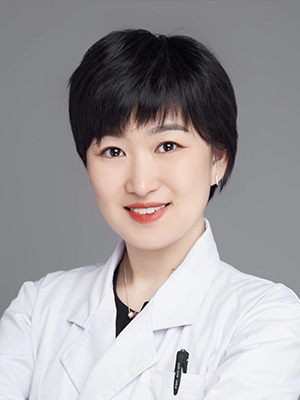
Dr. Zhang Liwen
Introduction
Orthodontic treatment can effectively improve problems such as misaligned teeth and malocclusion. However, some people believe that it is best not to undergo orthodontic treatment after the age of 30, generally due to reasons such as slower tooth movement, reduced dental stability, and increased pain sensitivity. With aging, the body's bone density gradually increases, and the bone supporting the teeth also becomes harder.
Orthodontic treatment can effectively improve problems such as misaligned teeth and improper bite. However, some people believe that it is best not to undergo orthodontic treatment after the age of 30, generally due to factors such as slower tooth movement, reduced dental stability, and increased pain sensitivity. The specific reasons are as follows:
1. Slower tooth movement
As people age, bone density gradually increases, and the bone supporting the teeth also becomes harder. This typically results in slower tooth movement during orthodontic treatment, making the outcomes less noticeable compared to younger individuals.
2. Reduced dental stability
With aging, the alveolar bone surrounding the teeth gradually diminishes, weakening the support for teeth. Therefore, after the age of 30, dental stability during orthodontic treatment may be poorer than in younger patients, increasing the risk of relapse.
3. Increased pain sensitivity
During orthodontic treatment, both the teeth and gums experience pressure and tension. Younger individuals have relatively more flexible bones and teeth, allowing them to better tolerate these forces with milder discomfort. In contrast, after age 30, bones and teeth are stiffer and less adaptable, potentially leading to more intense pain.
In addition, procedures may become more complex and often require higher treatment costs. Although undergoing orthodontic treatment after 30 may involve certain risks and disadvantages, this does not mean it is impossible. For individuals who truly need correction, seeking care at a reputable medical facility, choosing an appropriate treatment plan based on individual conditions, and following the dentist’s advice and treatment regimen can make orthodontic treatment safe and effective.