


What symptoms are associated with cerebral vascular occlusion?
Dec 21, 2020
Source: Cainiu Health
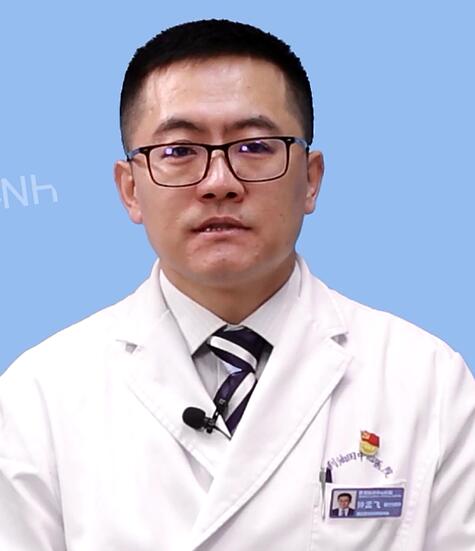
Dr. Zhong Mengfei
Introduction
Symptoms of cerebral vascular occlusion:
1. Dizziness and headache, especially in patients with concurrent hypertension;
2. Slurred or impaired speech—intending to speak but only producing unintelligible sounds;
3. Numbness in the limbs, progressing to paralysis of all four limbs and loss of sensation;
4. Visual field deficits—only able to see objects within a very limited field of vision;
5. Dysphagia—persistent difficulty swallowing;
6. Syncope (fainting), leading to cerebral hypoxia.
Cerebrovascular occlusion—also known as cerebral thrombosis—refers to the formation of a blood clot within arteries supplying the brain (both intracranial and extracranial), typically on the basis of pathological changes in the arterial wall. Such clots develop under conditions including slowed blood flow, altered blood composition, or increased blood viscosity, ultimately leading to vessel occlusion. So, what symptoms does cerebrovascular occlusion present? Below is an overview.

What Symptoms Does Cerebrovascular Occlusion Cause?
1. Dizziness and Headache
Elderly individuals are particularly susceptible, as aging is associated with progressively increased blood viscosity and reduced blood flow velocity—both significant risk factors for thrombus formation. If an elderly family member experiences recurrent, unexplained dizziness or headache, heightened vigilance is warranted to consider possible cerebrovascular occlusion—especially if they also have comorbid hypertension, hyperglycemia, or hyperlipidemia.
2. Speech Impairment
The brain serves as the body’s highest-level control center, coordinating functions across all organ systems. When blood vessels supplying the brain regions responsible for speech become occluded, patients often experience sudden aphasia or dysarthria. For instance, an elderly person may wake up in the morning with slurred speech or difficulty articulating words—producing only unintelligible vocalizations. Family members should recognize this as a medical emergency and promptly transport the individual to a hospital.

3. Numbness or Weakness in Limbs
While transient limb numbness or clumsiness is commonly attributed to poor sleep, individuals with hypertension, hyperglycemia, or hyperlipidemia who suddenly develop unilateral limb numbness or motor impairment upon waking should be evaluated urgently for possible cerebrovascular occlusion affecting motor cortex regions. Extensive occlusion may lead to quadriplegia and profound sensory loss.
4. Visual Field Defects
Some individuals retain central vision but lose peripheral visual fields—perceiving only a narrow “tunnel” of vision. For example, while crossing a street, they may see only pedestrians directly ahead on the crosswalk, missing objects or people at either side. In severe cases, complete visual loss may occur. Thus, new-onset visual disturbances warrant neurological evaluation—not just ophthalmologic assessment—to rule out cerebrovascular occlusion.

5. Dysphagia
Elderly individuals who suddenly develop coughing while drinking water or persistent difficulty swallowing food should raise suspicion for cerebrovascular occlusion. Sensation in the esophageal mucosa is mediated by cranial nerves; damage to these neural pathways—often due to stroke—can impair the gag reflex and pharyngeal coordination, resulting in aspiration and choking during eating or drinking.
6. Syncope or Loss of Balance
Vascular occlusion can compromise cerebral oxygenation—including in the cerebellum, which governs balance and coordination. Cerebellar ischemia may manifest as unsteady gait, postural instability, or a sensation of “tilting,” requiring physical support to prevent falls. This symptom warrants immediate medical attention.
The above outlines common clinical manifestations of cerebrovascular occlusion. We hope this information proves helpful.





