


What does a roughly normal ECG mean?
Oct 16, 2023
Source: Cainiu Health

Dr. Tian Hongbo
Introduction
In general, a roughly normal ECG refers to an electrocardiogram result that is essentially normal overall, but with some waveforms or amplitudes slightly outside the standard range. In most cases, such findings are not clinically significant, so patients need not worry excessively. However, if concerns persist, further evaluation with cardiac ultrasound and ambulatory ECG monitoring can be performed in consultation with a physician.
A generally normal electrocardiogram (ECG) usually refers to an ECG result that is essentially normal overall, although some waveforms or amplitudes may not be entirely standard.
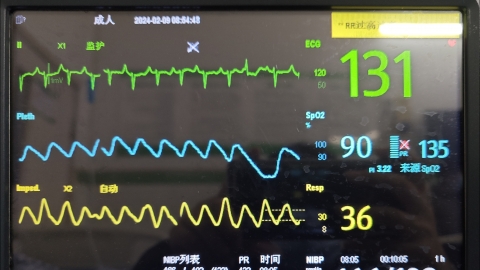
ECG is a common diagnostic method that records the heart's electrical activity to assess cardiac function. Its main functions include assisting in diagnosing heart diseases and monitoring cardiac performance. During an ECG examination, certain waveforms or amplitudes might slightly deviate from the standard, but these variations are not necessarily pathological abnormalities and do not indicate any disease; such results are generally termed as "generally normal ECG," meaning the overall ECG findings are within normal limits. In a generally normal ECG, the heart exhibits sinus rhythm, with a heart rate between 60 and 100 beats per minute, without abnormal rhythms such as ventricular premature beats or arrhythmias. The P waves are normally present, and the QRS complexes and ST segments also appear normal.
This type of ECG typically indicates that the patient’s physical condition is normal, so patients need not worry excessively. If still concerned, patients can consult their doctor for further evaluations, such as echocardiography or Holter monitoring. In daily life, it is important to develop healthy habits, ensure adequate sleep, avoid staying up late, and maintain a positive mood, avoiding negative emotions like anxiety and irritability, all of which contribute to better overall health.


