


Will getting a COVID-19 vaccine worsen the condition of liver cancer patients?
Dec 10, 2025
Source: Cainiu Health

Dr. Huang Yuhong
Introduction
Liver cancer patients with stable disease and good physical tolerance can receive the COVID-19 vaccine, but those with severe illness or extremely poor immunity may experience worsening of their condition. If a liver cancer patient is in a stable phase, with well-controlled tumors, no significant discomfort, essentially normal liver and kidney function, and not severely impaired immune function, receiving the COVID-19 vaccine generally will not exacerbate the disease and can help reduce the risk of infection.
Generally, liver cancer patients with stable conditions and adequate physical tolerance can receive the COVID-19 vaccine. However, those with severe illness or extremely poor immunity may experience worsening of their condition. If in doubt, it is recommended to consult a healthcare provider in advance. Detailed analysis is as follows:
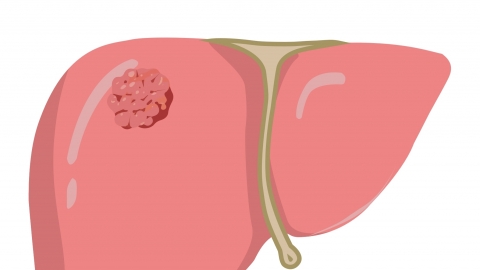
If liver cancer patients are in a stable phase, with well-controlled tumors, no significant discomfort, essentially normal liver and kidney function, and without severely compromised immune function, receiving the COVID-19 vaccine generally does not worsen their condition and can help reduce the risk of infection.
However, if the patient's condition is critical, with rapidly progressing tumors, or accompanied by severe liver or kidney dysfunction, fever, or other symptoms, and particularly if immune status is extremely poor, vaccination might trigger an excessive immune response, increase organ burden, and thereby destabilize the condition. In such cases, vaccination should be avoided.
Great caution is required when administering the COVID-19 vaccine to liver cancer patients. A comprehensive assessment by the attending physician regarding the patient’s medical condition and overall health is essential. Close monitoring for any adverse reactions after vaccination is necessary, and any persistent discomfort should be promptly reported to the doctor to prevent delayed management.








