


What are the medicinal benefits of cicadas?
Oct 16, 2023
Source: Cainiu Health

Dr. Zhang Ziyi
Introduction
Cicada usually refers to the entire insect of Cryptotympana pustulata, a species from the cicadidae family. It has a sweet and cold nature, affecting the lung and liver meridians, and possesses medicinal effects such as dispersing wind-heat, promoting eruption and relieving itching, improving vision by removing corneal opacity, calming liver wind to stop convulsions, and facilitating rash eruption. Note that it should be used under the guidance of a physician. Patients with spleen and stomach deficiency should avoid consuming cicada, as it may cause adverse symptoms such as abdominal pain and diarrhea.
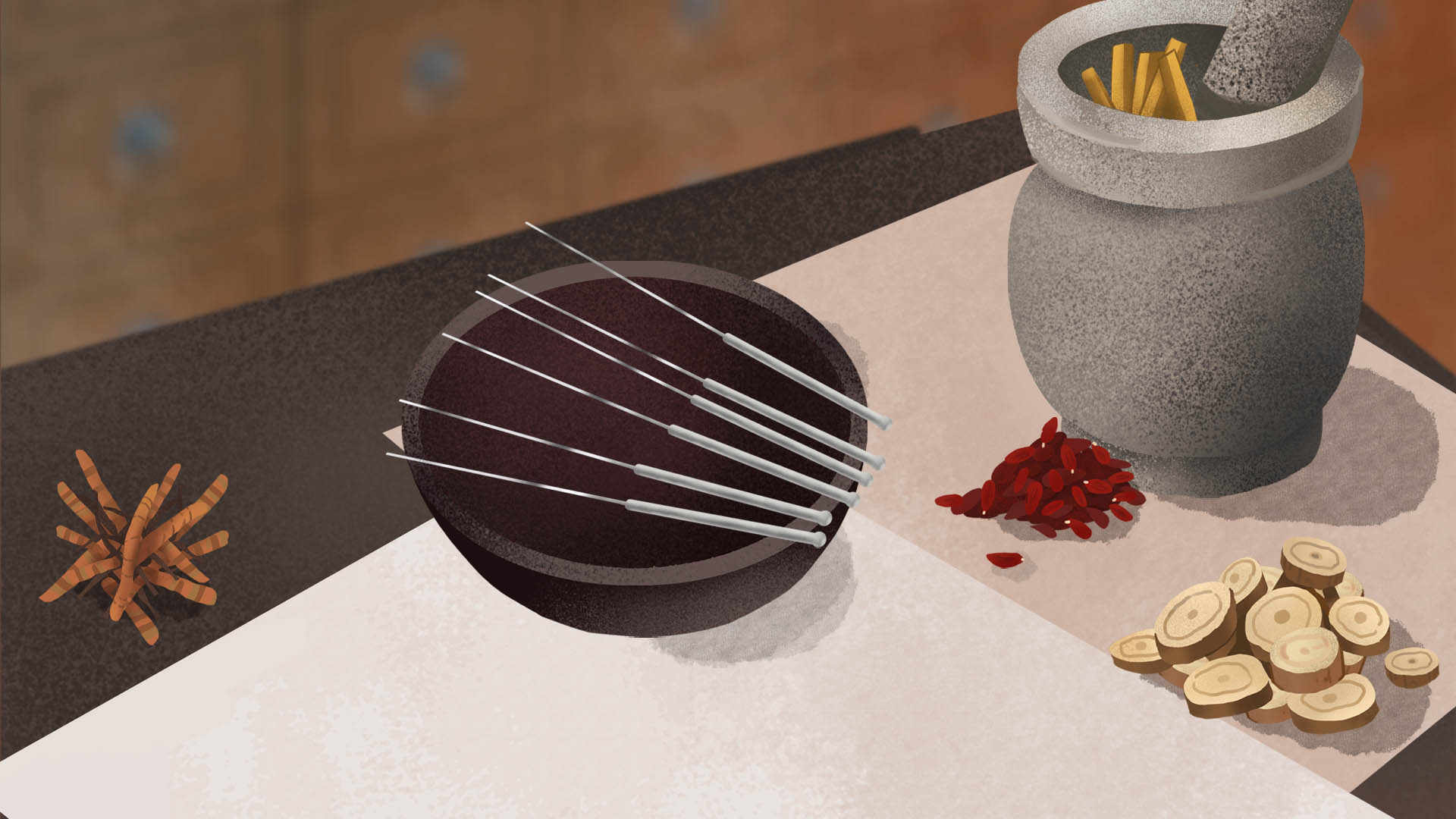
Cicadas, commonly known as "zhiliao," refer to the entire insect of Cryptotympana pustulata from the Cicadidae family. They are sweet and cold in nature, entering the lung and liver meridians in traditional Chinese medicine (TCM), and possess various medicinal properties such as dispersing wind-heat, promoting eruption and relieving itching, improving vision by removing corneal opacity, calming internal wind to stop spasms, and facilitating rash eruption. The specific effects are as follows:
1. Dispersing Wind-Heat
Cicadas have the effect of dispersing wind-heat. In TCM theory, wind-heat is a pathogenic factor that may cause symptoms such as fever, headache, and sore throat. Components of cicadas may help eliminate wind-heat from the body, thereby alleviating these symptoms.
2. Promoting Eruption and Relieving Itching
Cicadas are commonly used in TCM to promote rash eruption and relieve itching, especially in treating skin disorders, allergic conditions, or eruptive diseases. Their components may exhibit anti-allergic and anti-inflammatory effects, helping reduce itchiness and facilitate the outward eruption of rashes.

3. Removing Corneal Opacity and Improving Vision
Cicadas can also assist in treating redness and swelling of the eyes, as well as corneal opacities that obstruct vision. They help improve eyesight and alleviate damage caused by wind-heat or post-measles complications. Cicadas may be used in combination with chrysanthemum, crab, and Tribulus terrestris for enhanced effects.
4. Calming Internal Wind and Stopping Spasms
Cicadas may have certain therapeutic effects on spasms caused by wind. They might regulate nervous system function and slow down nerve impulse transmission, thus achieving an antispasmodic effect.
5. Relieving Convulsions and Alleviating Startle Symptoms
Cicadas can be used as an adjunct in treating conditions such as tetanus, infantile convulsions, and night crying. This is due to their ability to dispel external wind and subdue internal wind. They may also be used for stiff, tonic convulsions in the limbs, often combined with scorpion (Quanxie). For treating infantile convulsions and night crying, they may be used together with Uncaria (Gouteng).
It should be noted that cicadas should only be used under the guidance of a physician. Patients with spleen and stomach deficiency should avoid consuming cicadas, as this may lead to adverse reactions such as abdominal pain and diarrhea.


