Is Kawasaki disease considered a serious illness?
Oct 17, 2023
Source: Cainiu Health

Dr. Tian Hongbo
Introduction
In general, Kawasaki disease refers to mucocutaneous lymph node syndrome. Whether it is considered a major illness depends on a comprehensive assessment of the patient's condition. If symptoms are mild, it typically does not qualify as a major illness; however, if symptoms are severe, it is classified as such. Patients experiencing discomfort should promptly seek medical attention at a hospital to avoid delaying treatment.
Kawasaki disease generally refers to mucocutaneous lymph node syndrome. Whether it qualifies as a major illness depends on a comprehensive assessment of the patient's condition. If symptoms are mild, it typically does not qualify as a major illness; however, if symptoms are severe, it is considered a major illness. Patients experiencing discomfort should seek timely medical care at a hospital to avoid delays in treatment. Detailed analysis is as follows:
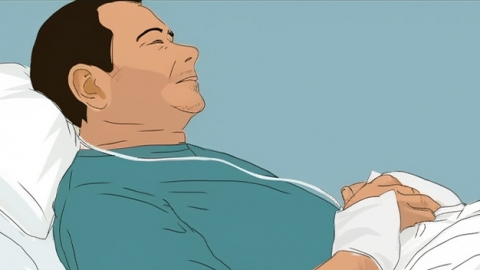
Mucocutaneous lymph node syndrome is an acute febrile exanthematous childhood illness primarily characterized by systemic vasculitis. It commonly affects infants and children under five years old, presenting as acute systemic vascular inflammation. The exact cause remains unclear. Clinically, it often manifests with persistent fever and varying degrees of oral mucosal inflammation. It is a self-limiting disease, and if clinical symptoms are mild, it usually does not constitute a major illness and has a favorable prognosis.
If left untreated, the condition may worsen, leading to high fever, rash, and even rupture of coronary artery aneurysms, which could result in death. In such cases, it is classified as a major illness. Therefore, patients diagnosed with mucocutaneous lymph node syndrome should promptly receive systematic medical treatment.
In daily life, maintaining personal hygiene, keeping living environments clean and tidy, ensuring regular ventilation, and preserving fresh air can help prevent the disease.