


What are the allergic symptoms of a tuberculosis skin test?
Jan 02, 2024
Source: Cainiu Health

Dr. Li Jingli
Introduction
In general, allergic reactions to the tuberculosis skin test mainly include symptoms such as difficulty breathing, skin redness, itching, rashes, and swelling. Patients are advised to receive symptomatic treatment as directed by a physician. If the patient's condition is severe, it may cause damage to lung tissue and could potentially lead to difficulty breathing.
Generally, allergic reactions to the tuberculosis skin test may mainly include symptoms such as difficulty breathing, skin redness, itching, rashes, and swelling. If patients experience any discomfort, they should promptly visit a正规 hospital for examination and treatment to avoid delays in their condition. The specific analysis is as follows:
1. Difficulty Breathing
If the patient's condition is relatively severe, lung tissue may be damaged, potentially leading to difficulty breathing. The allergic reaction triggers excessive activation of the body's immune system, causing airway smooth muscle contraction, mucosal edema, and increased secretions. Difficulty breathing may manifest as rapid breathing or wheezing, and in severe cases, even suffocation.
2. Skin Redness
Skin redness is a common manifestation of an allergic reaction. The reaction causes local blood vessel dilation, resulting in redness around the injection site. The extent of redness may vary depending on the severity of the allergy—mild reactions produce limited redness, while severe reactions may lead to widespread redness.
3. Itching
Itching is another common symptom of allergic reactions. The immune system releases chemical substances such as histamine, which stimulate sensory nerve endings in the skin and cause itching. This sensation can range from mild discomfort to intense, unbearable itching.
4. Skin Rashes
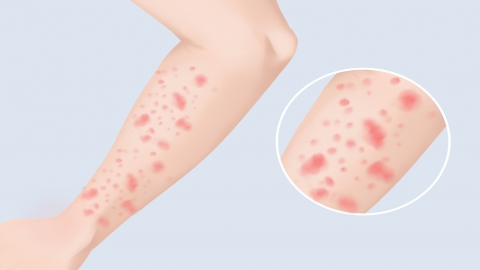
During an allergic reaction, various types of rashes may appear on the skin. For example, papules—small raised bumps on the skin surface—may form due to localized infiltration of inflammatory cells and exudation of tissue fluid. Erythematous papules may also occur, characterized by both red areas and bump-like changes.
5. Skin Swelling
Allergic reactions increase the permeability of blood vessels in the skin, allowing fluid components from plasma to leak into tissue spaces, resulting in swelling. The degree of swelling varies—mild cases may show slight elevation at the injection site, while severe cases could lead to noticeable swelling of the entire hand or arm.
It is recommended that skin testing be performed under a doctor’s supervision. If an allergic reaction occurs, follow medical advice promptly for proper management. In daily life, avoid exposure to potential allergens, take appropriate protective measures, actively cooperate with treatment, and effectively control the progression of tuberculosis.






