


What Are the 6 Reasons Women Always Experience Hair Loss
Jan 31, 2024
Source: Cainiu Health
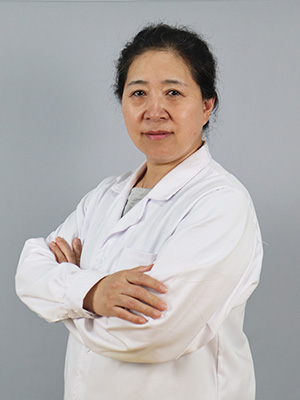
Dr. Wang Xiaoyan
Introduction
There is no such thing as "six reasons why women always lose hair." Female hair loss can be caused by physiological shedding, high levels of mental stress, malnutrition, anemia, hyperthyroidism, and other factors. It is recommended to seek medical attention promptly and receive appropriate treatment under a doctor's guidance. One should develop healthy lifestyle habits, ensure sufficient sleep, and maintain a positive mood.
There is no such term as "six reasons why women always experience hair loss." Generally, persistent hair loss in women may be caused by physiological shedding, high levels of mental stress, malnutrition, anemia, hyperthyroidism, and other factors. It is recommended to seek medical attention promptly and receive targeted treatment under a doctor's guidance. Specific analyses are as follows:
1. Physiological Hair Loss
Hormone levels in women fluctuate during the menstrual cycle. These changes may affect follicle activity, thereby influencing hair growth and shedding. In such cases, ongoing hair loss is due to physiological shedding, which is a normal part of the body’s natural processes and typically does not require special treatment.
2. High Mental Stress
If a woman remains in a prolonged state of anxiety, tension, or high psychological stress, it may impair scalp blood circulation, leading to insufficient blood supply to hair follicles. When nutrients delivered to the follicles fail to meet the demands of hair growth, hair loss may occur. Therefore, persistent hair loss in women can result from excessive mental stress. This condition can be improved by relaxing, listening to music, or engaging in outdoor activities.
3. Malnutrition
Picky eating habits may lead to malnutrition. Long-term nutritional deficiencies can deprive the body of essential nutrients required for hair growth and repair, resulting in hair shedding. Thus, persistent hair loss in women may stem from malnutrition. It is recommended to consume more foods rich in protein, vitamins, and minerals—such as eggs, lean meat, tomatoes, and apples—to supplement energy needs and support overall health.
4. Anemia
Anemia refers to a condition in which the volume of red blood cells in peripheral blood falls below the normal range. If a woman has anemia, the oxygen-carrying capacity of red blood cells may decrease, reducing blood flow to the scalp. This impairs nutrient absorption by hair follicles, making hair brittle and leading to persistent hair loss. Women should follow medical advice and may use medications such as ferrous sulfate sustained-release tablets, ferrous fumarate tablets, or ammonium ferric citrate vitamin B1 syrup II to help alleviate symptoms.
5. Hyperthyroidism
Hyperthyroidism refers to a condition in which the thyroid gland produces excessive thyroid hormones. Excess thyroid hormones may accelerate the body's metabolism, including the rate of hair growth, potentially shortening the hair growth cycle and increasing hair shedding. Therefore, persistent hair loss in women may be caused by hyperthyroidism. Women should follow medical advice and may use medications such as metoprolol tartrate tablets, Xia Ku Cao granules, or Xiao Jin pills for treatment.In daily life, it is important to develop healthy lifestyle habits, ensure adequate sleep, avoid staying up late, and maintain a positive mood, avoiding negative emotions such as anxiety and irritability, all of which contribute to overall physical well-being.







