


What are the oral mucosal manifestations of AIDS?
Dec 03, 2025
Source: Cainiu Health

Dr. Liu Chao
Introduction
In general, due to impaired immune function, HIV/AIDS patients are prone to various oral mucosal lesions. Common manifestations include oral candidiasis, hairy leukoplakia of the tongue, recurrent herpes outbreaks, linear gingival erythema, and persistent oral ulcers. These oral symptoms are often early signs of AIDS, and individuals with high-risk behaviors should be vigilant.
Generally, due to impaired immune function, patients with AIDS are prone to various oral mucosal lesions. The main clinical manifestations include oral candidiasis, hairy leukoplakia of the tongue, recurrent herpes, linear gingival erythema, and refractory oral ulcers. A detailed analysis is as follows:
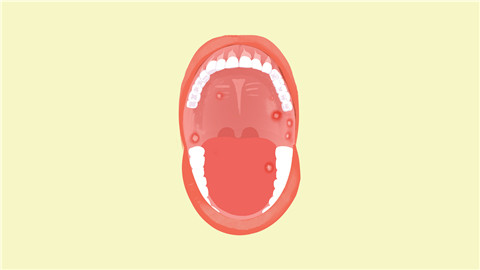
1. Oral Candidiasis: As a common early sign, this condition presents as creamy white, velvety pseudomembranes on the oral mucosa, typically adhering to the buccal mucosa, palate, or tongue surface. These membranes are difficult to remove; forcibly scraping them off reveals an underlying erythematous, eroded surface, often accompanied by pain during eating and a dry mouth sensation.
2. Hairy Leukoplakia of the Tongue: This commonly occurs on the lateral borders of the tongue bilaterally, presenting as white or grayish-white corrugated plaques with a rough, hairy surface that cannot be wiped away. Patients are often asymptomatic, although some may experience mild burning sensations. It is considered a relatively specific sign of AIDS.
3. Recurrent Herpes: Clusters of small vesicles appear on the oral mucosa, which easily rupture to form erosive surfaces, accompanied by significant burning and pain. Due to immunosuppression, herpes outbreaks occur frequently, heal slowly, and tend to recur around the lips and inner oral cavity.
4. Linear Gingival Erythema: A bright red, linear band of inflammation appears along the gingival margin, with soft texture and tendency to bleed easily during brushing or light touch, accompanied by noticeable pain. In some patients, this may progress to necrotizing gingivitis, characterized by gingival ulcers and tissue necrosis.
5. Refractory Oral Ulcers: These ulcers are widespread, affecting areas such as the lips, cheeks, and tongue, with irregular shapes and deep bases. The disease course lasts for weeks or even months, healing slowly and prone to recurrence. Severe cases can significantly impair eating and swallowing.
These oral symptoms are often early warning signs of AIDS, so individuals with high-risk behaviors should remain vigilant. Maintaining good oral hygiene, including regular tooth brushing morning and night, is essential. After diagnosis, patients must follow medical advice for standardized antiviral therapy and enhance nutritional intake to improve immune function.





