Red bumps appearing on the body are increasing in number.
Mar 29, 2024
Source: Cainiu Health

Dr. Liu Wenmin
Introduction
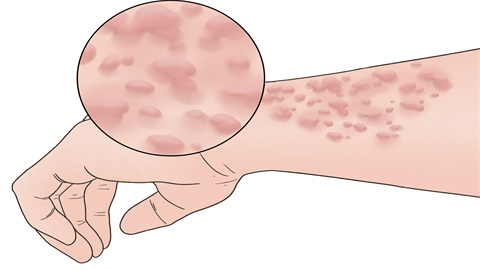
Red rashes appearing on the skin and gradually increasing in number may be caused by dry skin, hormonal imbalance, skin allergy, eczema, folliculitis, etc., and can be improved according to specific conditions. It is recommended to seek timely medical attention at a hospital and receive treatment under the guidance of a doctor. Pay attention to enhancing skin moisturization; use nourishing body lotion and apply it 1 to 2 times daily.
Red bumps appearing on the skin that gradually increase in number may be caused by dry skin, endocrine disorders, skin allergies, eczema, or folliculitis. Improvements can be made according to the specific cause. It is recommended to seek timely medical attention at a hospital and receive treatment under the guidance of a doctor.
1. Dry Skin
In autumn and winter, the air tends to be dry, causing rapid loss of skin moisture. Without proper hydration, the skin can become dry and rough, leading to red bumps. It's important to strengthen skin moisturization by using nourishing body lotions 1–2 times daily. Also avoid frequent bathing and using excessively hot water for showers.
2. Endocrine Disorders
Factors such as high stress levels, irregular作息 (lifestyle), and staying up late may lead to endocrine imbalances, affecting skin metabolism and causing abnormal sebum production, which can trigger red bumps. Adjust your daily routine, ensure sufficient sleep, avoid staying up late, eat more fresh vegetables and fruits, reduce intake of spicy, greasy, and stimulating foods, and engage in moderate physical exercise to help regulate the endocrine system.
3. Skin Allergy
After exposure to allergens such as pollen, dust mites, or cosmetics, the immune system may overreact, resulting in red bumps on the skin. The first step in management is to avoid re-exposure to the allergen. Keep the skin clean and use mild, non-irritating bathing products.
4. Eczema
Eczema is a skin inflammatory reaction caused by various internal and external factors. It manifests as polymorphic rashes including erythema, papules, and vesicles, often accompanied by itching. It is recommended to use medications such as desonide cream, tacrolimus ointment, or loratadine tablets under medical supervision to relieve symptoms.
5. Folliculitis
This condition is primarily an inflammation caused by bacterial infection of hair follicles, commonly occurring on the scalp, face, neck, and buttocks. It presents as red papules centered around hair follicles, sometimes accompanied by pustules. Patients may use mupirocin ointment, fusidic acid cream, or amoxicillin capsules as directed by a physician to alleviate symptoms.
In daily life, it's important to get adequate rest and sufficient sleep, avoid staying up late, and engage in moderate outdoor activities such as walking or jogging, which may aid in recovery.