


The nasal mucus is oily.
Mar 30, 2024
Source: Cainiu Health

Dr. Lu Cheng
Introduction
Nasal discharge resembling oil may be caused by non-medical factors, or by medical conditions such as sinusitis, allergic rhinitis, or nasal polyps. Symptoms can be relieved through daily care and medication. If you experience any physical discomfort, it is advisable to seek medical attention promptly. Using a humidifier in dry environments and maintaining indoor humidity can help reduce the thickness and stickiness of nasal discharge.
Nasal discharge resembling oil may be caused by non-medical factors, or it could result from medical conditions such as dry environment, improper diet, allergic rhinitis, sinusitis, or nasal polyps. Symptoms can be relieved through daily care or medication. If discomfort persists, prompt medical attention is recommended. The analysis is as follows:
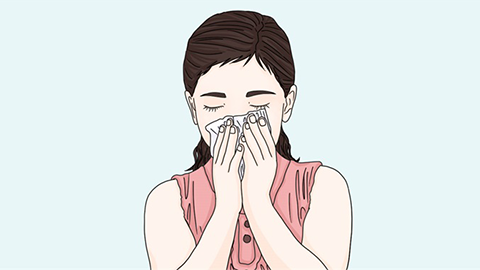
1. Dry Environment
In dry environments, nasal mucus may become thick and oily due to moisture loss. Relief methods include using a humidifier to increase indoor humidity, drinking sufficient water to maintain hydration, and avoiding prolonged exposure to dry conditions.
2. Improper Diet
Consuming excessive greasy, spicy, or irritating foods may stimulate the nasal mucosa, leading to increased and thicker secretions that sometimes resemble oil. Reducing intake of oily, spicy, and irritating foods while increasing consumption of light, easily digestible meals can help. Maintaining a balanced diet helps improve internal damp-heat conditions and reduces nasal secretion production.
3. Allergic Rhinitis
Allergic rhinitis is an overreaction to allergens, which may cause thick, oily-like nasal discharge, often accompanied by itching and nasal congestion. Patients should follow medical advice and use medications such as Biyan Tongqiao Granules, Qianbai Biyan Tablets, or Tongqiao Biyan Granules for treatment.
4. Sinusitis
Patients with sinusitis may experience thickened, oily nasal discharge due to inflammation and infection in the sinuses, possibly accompanied by odor, pain, or other discomforts. Under a doctor's guidance, medications such as Roxithromycin Capsules, Penicillin V Potassium Tablets, or Amoxicillin Tablets may be used for treatment.
5. Nasal Polyps
Nasal polyps are benign growths in the nasal cavity that can lead to increased and thicker nasal discharge, causing the aforementioned symptoms. Management options include surgical removal of polyps and maintaining nasal hygiene.
In daily life, maintaining adequate fluid intake helps dilute nasal mucus and prevent excessive thickness. Using a humidifier in dry environments to maintain indoor humidity can reduce the sensation of thick mucus. Regular nasal irrigation or cleansing can also assist in removing viscous nasal discharge.



