


Can vocal cord polyps cause throat pain?
Mar 30, 2024
Source: Cainiu Health

Dr. Liu Chao
Introduction
As vocal cord polyps gradually enlarge, they may compress surrounding laryngeal tissues, thereby stimulating nerve endings and causing throat pain. If there is an inflammatory response on the surface of the polyp, such as congestion or edema, this may further exacerbate throat discomfort. In the early stages of vocal cord polyps, when the polyp is small and does not compress adjacent tissues, patients may not experience symptoms of throat pain.
If vocal cord polyps gradually increase in size, they may cause throat pain; however, if the polyp is small and does not compress surrounding tissues, throat pain generally does not occur. Patients are advised to seek timely medical attention at a hospital and follow medical guidance for treatment. The analysis is as follows:
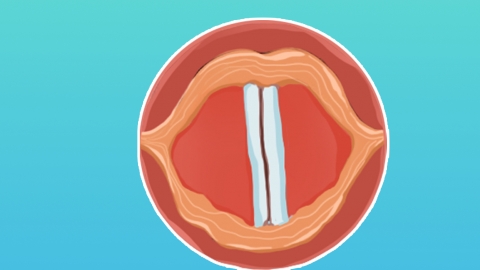
As vocal cord polyps grow larger, they may compress surrounding laryngeal tissues, stimulating nerve endings and causing throat pain. If there is an inflammatory response on the surface of the polyp, such as congestion or swelling, this may further intensify throat discomfort.
In the early stages of vocal cord polyps, if the polyp is small and does not exert pressure on surrounding tissues, patients may not experience throat pain. Additionally, if there is no inflammation on the polyp's surface, throat pain may also be absent. As the polyp enlarges, patients may begin to experience difficulty speaking or even lose their voice completely.
If symptoms of vocal cord polyps appear, prompt medical evaluation with a laryngoscopy should be performed to determine the size and location of the polyp. Larger vocal cord polyps may require surgical removal at a hospital.







