


What should goji berries be combined with to regulate yin deficiency with hyperactive fire?
Apr 26, 2024
Source: Cainiu Health

Dr. Zhang Xiuhong
Introduction
In general, Chinese wolfberry (Lycium barbarum) combined with chrysanthemum, Ophiopogon japonicus, Ligustrum lucidum, Polygonatum sibiricum, and Rehmannia glutinosa (prepared) can help regulate symptoms of yin deficiency with hyperactivity of fire. If discomfort occurs after using these herbs, prompt medical attention is recommended. Yin deficiency with fire hyperactivity may be caused by factors such as excessive fatigue or chronic illness due to aging. Common symptoms include dry mouth and throat, blurred vision, and dry cough.
Under normal circumstances, Chinese wolfberry (Lycium) can be combined with chrysanthemum, dwarf lilyturf root (Ophiopogon), ligustrum fruit (Ligustrum lucidum), Solomon's seal rhizome (Polygonatum), and prepared rehmannia root (Rehmannia glutinosa) to regulate yin deficiency with hyperactivity of fire. If any adverse reactions occur after using these herbs, it is recommended to seek medical attention promptly. Specific analysis is as follows:
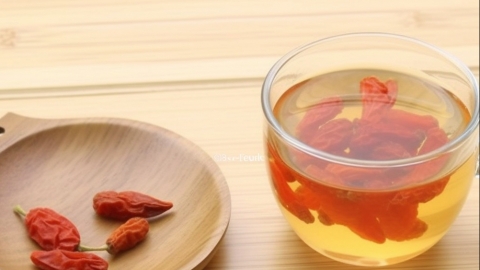
1. Chrysanthemum: It is cool in nature and has the effect of clearing heat and improving vision. When used together with Chinese wolfberry, it enhances the action of nourishing yin and reducing internal heat. While Chinese wolfberry tonifies the liver and kidneys, chrysanthemum clears heat and benefits the eyes. This combination not only helps regulate symptoms of yin deficiency with fire excess but also relieves eye fatigue, making it effective for conditions caused by prolonged screen use or staying up late.
2. Dwarf Lilyturf Root (Mai Dong): Slightly cold in nature and sweet in taste, it nourishes yin, generates body fluids, moistens the lungs, and clears the heart. When combined with Chinese wolfberry, it improves kidney yin deficiency and strengthens the effect of nourishing yin and reducing fire. Additionally, it helps relieve symptoms such as dry mouth and sore throat caused by yin deficiency with fire exuberance.
3. Ligustrum Fruit (Nvzhenzi): Cool in nature, sweet and slightly bitter in taste, it nourishes the liver and kidneys, improves vision, and darkens hair. When used with Chinese wolfberry, it enhances the effect of nourishing yin and tonifying the kidneys. It is particularly effective in regulating dizziness, blurred vision, soreness and weakness in the lower back and knees caused by liver-kidney yin deficiency or yin deficiency with fire hyperactivity.
4. Solomon's Seal Rhizome (Huang Jing): Neutral in nature and sweet in taste, it tonifies qi and nourishes yin, strengthens the spleen, moistens the lungs, and benefits the kidneys. When paired with Chinese wolfberry, it helps manage various symptoms associated with yin deficiency and fire excess, such as soreness in the lower back and knees, dizziness, and tinnitus. Huang Jing also boosts immunity and enhances the body’s resistance, aiding recovery in patients with yin deficiency and fire hyperactivity.
5. Prepared Rehmannia Root (Shu Di Huang): Slightly warm in nature and sweet in taste, it nourishes blood, enriches yin, replenishes essence, and fills the marrow. When used with Chinese wolfberry, it strengthens the effects of nourishing yin and blood, making it especially suitable for patients who have both yin deficiency with fire excess and blood deficiency. Shu Di Huang also helps regulate various symptoms caused by liver-kidney yin deficiency, such as night sweats,潮热 (heat sensations), and nocturnal emissions.
Yin deficiency with fire hyperactivity may result from factors such as excessive fatigue or chronic illness due to aging. Common symptoms include dry mouth and throat, blurred vision, and dry cough. When using the above-mentioned herbs, patients are advised to follow medical guidance, drink plenty of warm water, avoid staying up late, and adopt healthy lifestyle habits to support recovery.




