What to eat for nourishing yin and boosting yang
Dec 10, 2025
Source: Cainiu Health

Dr. Sun Lianqing
Introduction
Common food items that nourish yin and strengthen yang include Chinese yam, goji berries, walnuts, mulberries, and lotus seeds. Chinese yam is neutral in nature and sweet in taste; it can tonify the spleen and nourish the stomach, promote fluid production, benefit the lungs, nourish yin, as well as tonify the kidneys and consolidate essence to strengthen yang—making it an excellent choice for balancing both yin and yang. It is suitable for individuals with weak spleen and stomach or deficiencies in both kidney yin and yang, helping to relieve symptoms such as fatigue and soreness in the lower back and knees. Steaming or boiling preserves its nutritional value, and its mild nature avoids excessive cold or heat.
Common foods for nourishing yin and strengthening yang generally include Chinese yam, goji berries, walnuts, mulberries, and lotus seeds. Detailed analysis is as follows:
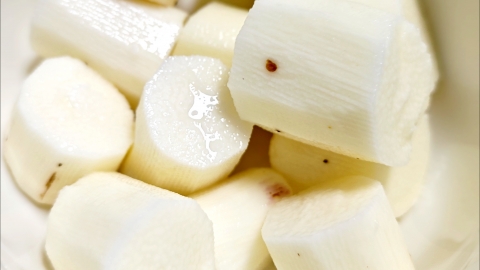
1. Chinese Yam: Neutral in nature and sweet in taste, it can tonify the spleen and stomach, generate body fluids, benefit the lungs and nourish yin, while also benefiting the kidneys and consolidating essence to support yang—making it an excellent food for replenishing both yin and yang. Suitable for individuals with weak spleen and stomach or deficiencies in both kidney yin and yang, it helps relieve fatigue, weakness in the lower back and knees, etc. Steaming or boiling preserves its nutrients and provides a mild effect without being overly cold or hot.
2. Goji Berries: They nourish the liver and kidneys, enrich essence, and improve vision. They nourish liver and kidney yin to alleviate dizziness and tinnitus, while also assisting in warming and tonifying kidney yang. Suitable for those showing signs of both yin and yang deficiency, they can be consumed directly, steeped in water, or cooked into congee. When combined with other ingredients, their nourishing effects are enhanced.
p>3. Walnuts: Sweet and warm in nature, they tonify the kidneys and warm yang, moisten the intestines, and relieve constipation. Rich in oils, they nourish bodily fluids (yin) while simultaneously supporting yang. Ideal for individuals with kidney yang deficiency and intestinal dryness due to fluid depletion, helping to relieve cold intolerance, cold limbs, and constipation. Moderate daily consumption does not deplete yin fluids.4. Mulberries: Sweet and sour in taste, cold in nature, their primary function is to nourish yin, enrich blood, generate fluids, and relieve dryness, while also providing auxiliary support to kidney yang. Suitable for those primarily affected by yin deficiency accompanied by mild yang deficiency, improving premature graying of hair, dry mouth, and parched tongue. When paired with warming ingredients, the cooling property is balanced, preventing damage to yang during yin nourishment.
5. Lotus Seeds (Qian Shi): Neutral in nature, sweet and astringent in taste, they strengthen the kidneys and consolidate essence, tonify the spleen and stop diarrhea. They nourish kidney yin while mildly tonifying kidney yang, and also strengthen the spleen and remove dampness. Suitable for individuals with deficiency in both spleen and kidneys or imbalances in kidney yin and yang, helping to relieve symptoms such as seminal emission and diarrhea. Cooking into congee or soups provides nourishment along with a consolidating effect.
Nourishing yin and yang should be done gently and moderately, avoiding excessive intake of strongly biased foods. Adjust combinations according to individual constitution—emphasizing more walnuts for predominant yang deficiency, and increasing mulberries and goji berries for predominant yin deficiency. Regular作息 (daily routines) and exercise aid absorption. For severe imbalances of yin and yang, professional medical advice from a qualified practitioner is recommended.