


What causes bad mood, headache, and nausea, and what should I do?
Apr 26, 2024
Source: Cainiu Health

Dr. Yang Ziqi
Introduction
Poor mood, headaches, and nausea may be caused by excessive mental stress, lack of sleep, depression, migraines, high blood pressure, or other reasons. It is recommended to seek medical attention promptly, identify the underlying cause, and receive appropriate treatment under the guidance of a qualified physician. Patients are also advised to engage in moderate physical exercise, such as walking or running, avoid staying up late, and maintain a diet low in salt and fat.
Poor mood, headaches, and nausea may be caused by excessive mental stress, lack of sleep, depression, migraines, high blood pressure, or other factors. It is recommended to seek medical attention promptly, identify the underlying cause, and receive symptomatic treatment under the guidance of a qualified physician. Specific analyses are as follows:
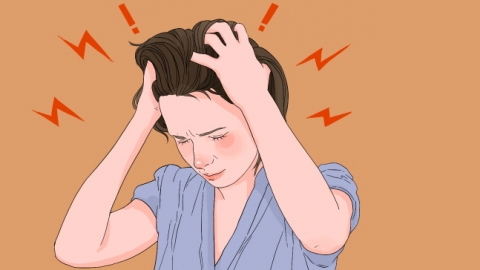
1. Excessive mental stress: When experiencing low mood or emotional tension, the brain may release stress hormones such as adrenaline and cortisol. Increased levels of these hormones may cause blood vessel constriction, leading to headaches. At the same time, they may also affect the digestive system, resulting in nausea and vomiting. It is recommended to learn effective stress management techniques, such as deep breathing and meditation, which can help reduce psychological stress.
2. Sleep deprivation: Poor mood can negatively affect sleep quality, leading to insufficient sleep. Chronic sleep deprivation prevents the brain from getting adequate rest, making headaches more likely. Additionally, lack of sleep may disrupt the body's metabolism and digestive functions, causing nausea and vomiting. It is advised to ensure sufficient sleep each night and maintain a regular sleep schedule.
3. Depression: This may be associated with significant mood fluctuations and persistent low mood. Common symptoms after onset include loss of interest and feelings of anxiety or restlessness. These emotional states may trigger physical discomforts such as headaches and nausea. Patients are advised to take medications such as maprotiline hydrochloride tablets, clomipramine hydrochloride tablets, or amitriptyline hydrochloride tablets as prescribed by a doctor.
4. Migraine: This may be related to large emotional swings and increased stress. When feeling emotionally down, migraine attacks may be triggered, typically presenting as severe one-sided head pain accompanied by symptoms like nausea and vomiting. Patients are advised to take medications such as indomethacin tablets, nimodipine tablets, or compound propranolol caffeine tablets as directed by their physician.
5. Hypertension: This may be linked to unhealthy diet and lack of physical activity. When in a poor mood, the body's stress response may lead to elevated blood pressure. Long-term hypertension can damage blood vessels and subsequently cause symptoms such as headache and nausea. Patients should follow medical advice and use antihypertensive drugs such as irbesartan dispersible tablets, valsartan capsules, or losartan potassium tablets.
In daily life, patients are encouraged to engage in moderate physical exercise, such as walking or jogging, avoid staying up late, and adopt a low-salt, low-fat diet, all of which are beneficial for overall health.







